Most businesses pay attention to the obvious things first.
Customer service. Branding. Marketing. Interior design. Equipment upgrades. All of those matter, obviously. But there’s another factor quietly shaping daily operations in restaurants, offices, hotels, medical facilities, and industrial spaces that people often overlook until problems become expensive: water.
Not flashy. Not exciting. But incredibly important.
The thing about commercial water issues is that they rarely arrive dramatically. Instead, they show up slowly through small frustrations — cloudy glassware, mineral buildup on fixtures, strange tastes in coffee, equipment wearing out faster than expected, or employees quietly complaining about the water in the breakroom.
Individually, those issues may seem minor.
Together, though, they can affect customer experience, maintenance costs, efficiency, and even a company’s reputation more than many owners realize.
Businesses Depend on Water More Than They Think
Water flows through almost every commercial environment constantly.
Restaurants use it for cooking and dishwashing. Hotels rely on it for laundry, showers, and guest comfort. Manufacturing spaces need it for equipment operation and cooling systems. Offices use it in kitchens, restrooms, coffee machines, and drinking stations every single day.
That’s why commercial water systems matter so much behind the scenes.
When water quality isn’t managed properly, the effects spread quietly through operations over time. Equipment efficiency drops. Plumbing systems accumulate buildup. Appliances need repairs earlier than expected. Customers start noticing small inconsistencies they can’t quite explain.
And honestly, those “small inconsistencies” matter more than businesses sometimes think.
Water Problems Usually Build Slowly
One reason companies delay addressing water issues is because the damage tends to happen gradually.
Hard water minerals don’t destroy equipment overnight. Sediment doesn’t clog plumbing instantly. Instead, buildup forms little by little until repair costs suddenly feel impossible to ignore.
I remember visiting a café where the owner kept replacing expensive espresso machine parts every few months. At first, everyone blamed the manufacturer. Eventually, testing revealed the local water supply carried heavy mineral content that was quietly damaging the equipment from the inside.
After improving the water setup, repair frequency dropped significantly.
The coffee tasted better too, which nobody expected initially.
Filtration Is About More Than Drinking Water
People often assume filtration systems only matter for taste or drinking purposes. That’s part of it, but commercial applications go much deeper.
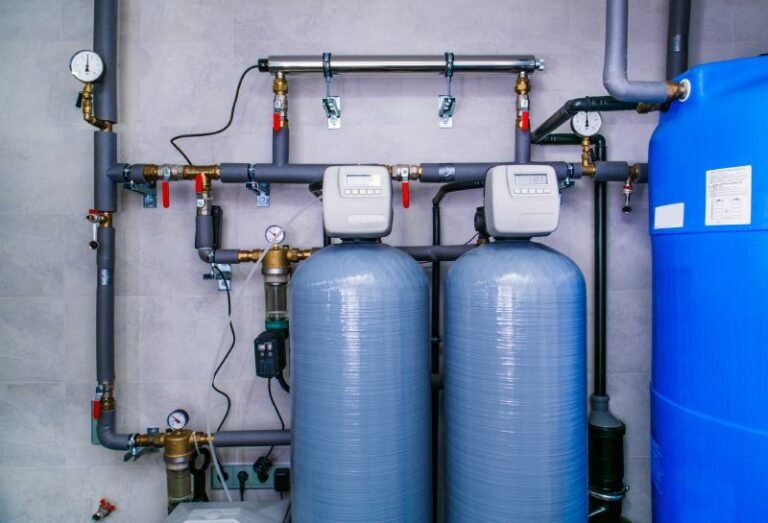
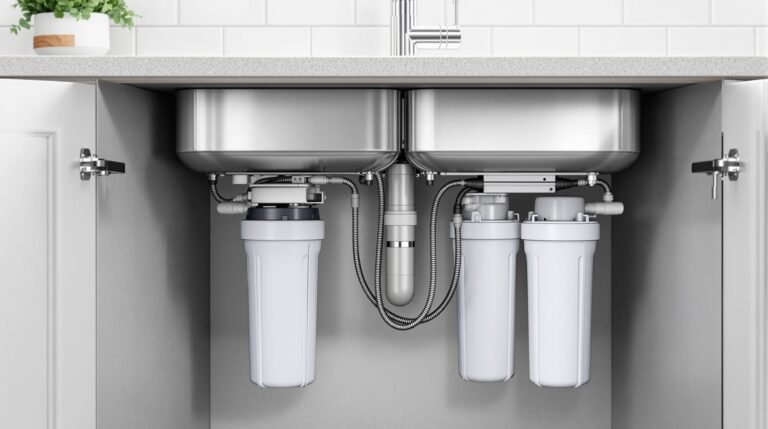
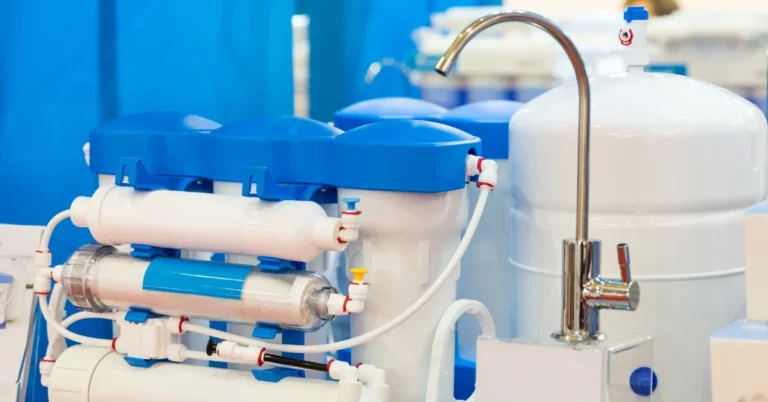
Modern filtration systems help protect:
- Ice machines
- Coffee equipment
- Boilers
- Dishwashers
- Cooling systems
- Laundry equipment
- Plumbing infrastructure
- Manufacturing machinery
Cleaner water usually means less internal buildup, fewer maintenance interruptions, and more consistent equipment performance over time.
And considering how expensive commercial downtime can become, prevention often saves far more money than reactive repairs later.
Customers Notice Water More Than Businesses Realize
This part gets underestimated constantly.
People absolutely notice when water affects their experience, even if they don’t consciously identify it as the problem.
A hotel shower that leaves skin feeling dry. Coffee tasting inconsistent between visits. Glassware with cloudy residue. Ice carrying strange odors. Restrooms developing mineral stains too quickly.
Customers may never say, “Your water quality seems poor.” But they notice the overall feeling of the environment.
Especially in hospitality and food service industries, water quietly shapes the customer experience in dozens of small ways every single day.
Water Quality Influences Employee Comfort Too
Employees interact with water constantly throughout the workday.
Breakroom sinks, drinking stations, coffee machines, restrooms, kitchens — all of it contributes to workplace comfort. If water tastes unpleasant or creates ongoing maintenance frustrations, staff notice quickly.
One office manager told me their employees stopped using the kitchen tap entirely because the water carried a strong chlorine smell. Cases of bottled water started piling up everywhere. It became a weird little morale issue nobody expected.
Improving water quality didn’t magically transform workplace culture overnight, of course. But it removed one more daily annoyance from the environment, and people appreciated it more than management expected.
Different Businesses Need Different Solutions
This is where things sometimes get oversimplified online.
A restaurant’s water needs are completely different from a manufacturing facility’s. Medical offices, hotels, office buildings, gyms, and industrial operations all face different challenges depending on:
- Water usage volume
- Equipment sensitivity
- Local supply conditions
- Building size
- Industry regulations
- Plumbing infrastructure
That’s why proper testing and system design matter so much before choosing equipment.
There’s no universal “best” system for every business. The right setup depends on understanding the actual water conditions and operational demands first.
Technology Has Improved Quietly Over the Years
Commercial water technology has evolved a lot, even if most people outside the industry rarely notice it.
Modern systems are often:
- More compact
- Easier to maintain
- More energy efficient
- Better monitored
- More customizable
- Smarter about usage patterns
Some systems now include remote monitoring features that alert maintenance teams before issues become serious. Others automatically adjust filtration levels based on water demand throughout the day.
And honestly, businesses appreciate systems that stay invisible when functioning properly. Nobody wants water infrastructure becoming a constant source of operational headaches.
Maintenance Still Matters
Even the best systems need upkeep eventually.
Filters require replacement. Water softeners need servicing. Sediment systems need inspection. One mistake businesses make is installing high-end treatment systems and then neglecting routine maintenance afterward.
A simple maintenance schedule often makes the difference between years of reliable performance and expensive system failures later.
Thankfully, most modern systems are far easier to manage than older generations were.
Final Thoughts
Water quietly touches nearly every part of commercial operations, from customer experience to equipment performance and employee comfort. Because the effects often develop gradually, businesses sometimes underestimate how much poor water conditions are costing them over time.
The good news is that modern commercial filtration and treatment systems give companies more control than ever before. With proper testing, thoughtful planning, and regular maintenance, businesses can improve efficiency, reduce wear on equipment, and create a cleaner, more comfortable environment overall.
And honestly, some of the smartest business investments are the ones customers never consciously notice — because everything simply feels cleaner, smoother, and more reliable every single day.