Most homeowners don’t spend much time thinking about their water until something starts feeling off. Maybe the coffee tastes slightly metallic one morning. Maybe the dishwasher leaves cloudy spots on glasses no matter how much detergent you use. Sometimes it’s subtler than that — dry skin after showers, stiff laundry, or faucets constantly collecting chalky residue.
The funny thing is how quickly people adapt to these problems. What feels unusual at first slowly becomes part of the routine. You stop questioning it.
I remember visiting a family member who had recently upgraded their home water system after years of dealing with hard water issues. At first I thought they were exaggerating about the difference. Then I stayed there for a few days and realized the shower felt noticeably better, the water tasted cleaner, and somehow even the tea tasted smoother.
Small things, sure. But daily life is mostly made of small things.
Water Impacts More Than Most People Realize
We interact with water constantly without really noticing. Cooking, bathing, laundry, cleaning, dishwashing, coffee makers, water heaters — the entire rhythm of a home quietly depends on water quality behind the scenes.
That’s why improving water quality often creates changes homeowners weren’t even expecting. Softer towels. Cleaner glassware. Less buildup around fixtures. Better appliance performance over time.
None of these improvements sound dramatic individually. Yet together they make homes feel more comfortable and easier to maintain.
And honestly, once people experience properly balanced water, they rarely want to go back to “good enough.”
The Problem Usually Builds Slowly
Most water-related issues don’t arrive overnight. Mineral buildup happens gradually. Sediment accumulates inside pipes little by little. Appliances work harder over time without homeowners realizing it immediately.
That slow progression is what makes water problems tricky.
People often replace dishwashers, coffee machines, or washing machines thinking the appliances themselves are failing, when the real issue is untreated water quietly damaging components in the background.
I’ve seen homeowners spend thousands replacing equipment before finally testing their water and discovering the root cause.
Technology Has Changed a Lot
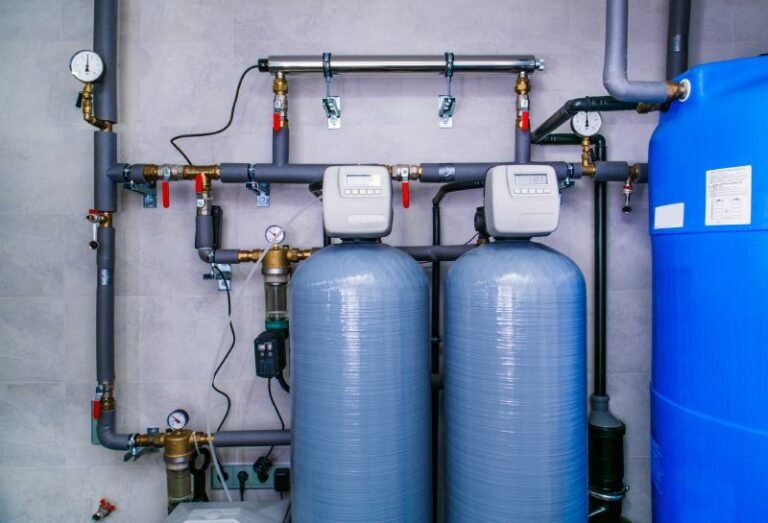
There’s this outdated assumption that home water systems are bulky, complicated, or difficult to maintain. Older generations of equipment probably earned that reputation, honestly. But modern water treatment technology has improved tremendously over the last several years.
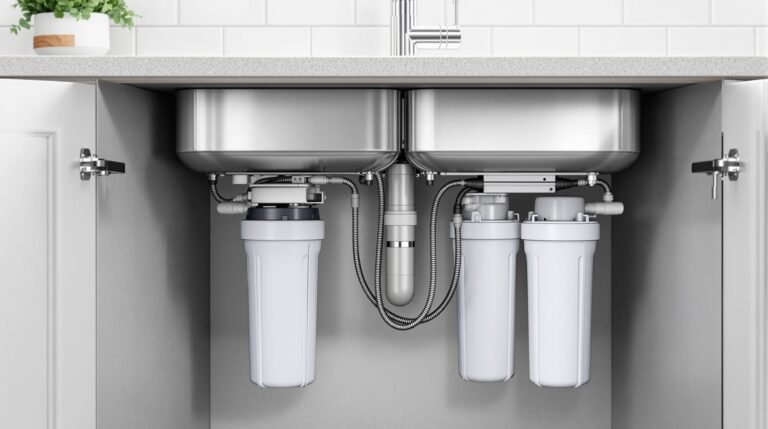
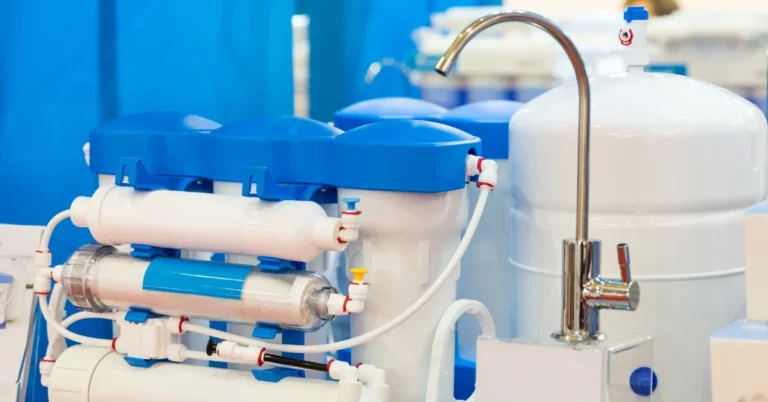
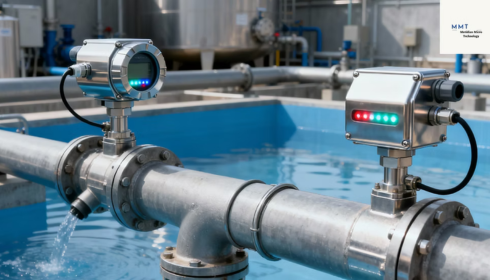
Today’s systems are more compact, efficient, and user-friendly than most people expect. Many include smart monitoring features, automated maintenance reminders, or filtration systems designed specifically for local water conditions.
And perhaps more importantly, treatment systems are no longer viewed as luxury upgrades reserved for massive homes. More families now see them as practical investments in appliance protection, comfort, and long-term efficiency.
Especially in areas dealing with hard water or aging infrastructure.
Not Every Home Needs the Same Solution
One mistake homeowners sometimes make is assuming there’s a universal “best” filtration system online somewhere. In reality, water conditions vary dramatically depending on location, plumbing age, municipal supply, or well-water usage.
Some homes mainly struggle with hard minerals. Others deal with chlorine-heavy city water. Rural properties may encounter iron, sulfur, or sediment issues that suburban neighborhoods never experience.
That’s why testing matters before buying equipment.
Honestly, guessing often leads to frustration and wasted money because homeowners solve the wrong problem entirely.
Good Service Matters More Than Fancy Marketing
Something people rarely talk about enough is how important support becomes once a water system is installed. Equipment matters, obviously, but ongoing service often shapes the homeowner experience just as much.
Reliable customer service makes a huge difference when homeowners have questions about maintenance, filter replacements, pressure changes, or troubleshooting concerns.
And honestly, water treatment companies enter people’s homes and deal with something families use every single day. Trust matters. Clear communication matters. Homeowners want professionals who explain things in understandable language rather than overwhelming them with technical jargon.
Because at the end of the day, most people aren’t trying to become water experts. They just want clean, dependable water without constant headaches.
Better Water Quietly Improves Everyday Routines
The interesting thing about upgrading water systems is how the benefits tend to appear gradually through ordinary moments.
The shower feels cleaner somehow. Coffee tastes less bitter. Laundry smells fresher. Soap rinses more easily. Faucets stay cleaner longer.
You stop noticing weird tastes or stubborn mineral spots because they simply stop happening.
And unlike trendy smart-home gadgets people stop caring about after a month, improved water quality affects daily life continuously.
That’s probably why homeowners who invest in proper water systems usually say the same thing afterward: they wish they had done it sooner.
Maintenance Is Still Important
Of course, even the best systems need occasional maintenance. Filters wear down. Softeners require monitoring. Components eventually need servicing.
Fortunately, modern systems are far easier to maintain than older models used to be. Many tasks are simple and predictable when handled routinely instead of ignored for years.
And compared to replacing damaged appliances or dealing with plumbing repairs, preventative maintenance tends to feel pretty reasonable.
Final Thoughts
Water is one of those household essentials people rarely appreciate until something feels wrong. Yet it affects comfort, appliance lifespan, cleaning routines, and overall home efficiency every single day.
The good news is that many common water issues are completely manageable once identified properly. Better filtration, improved treatment systems, and reliable service support can quietly transform the way a home feels to live in.
Not through dramatic luxury upgrades or flashy technology. Just through cleaner, more consistent water doing what it’s supposed to do in the background.
And honestly, sometimes those are the home improvements people appreciate most over time — the ones that simply make everyday life smoother without demanding attention afterward.