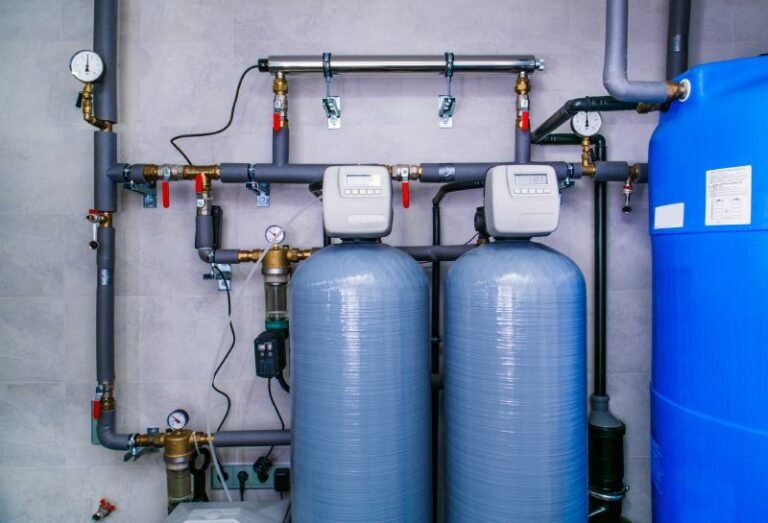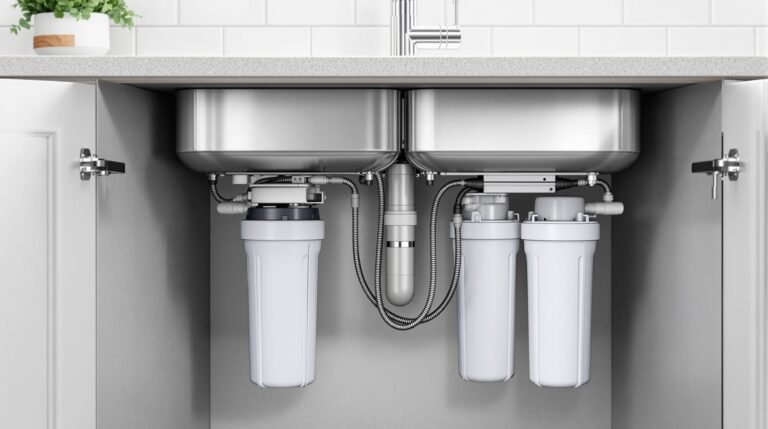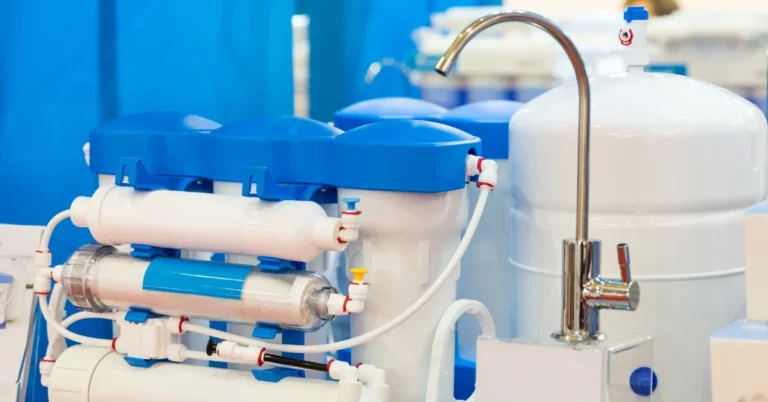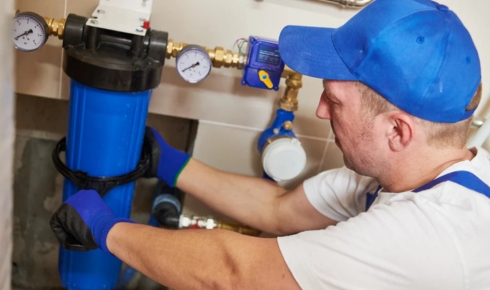
Most people don’t think about their water treatment system until something feels wrong. The shower starts leaving skin dry. Dishes come out with cloudy spots. Water pressure drops a little. Or the softener that used to work quietly in the background suddenly seems to be using salt faster than usual. It’s rarely dramatic at first, but it’s annoying enough to make you pause.
The truth is, water systems are a bit like any other home equipment. They don’t need constant fussing, but they do need regular attention. A little care at the right time can prevent bigger problems later, and it can help keep your water feeling clean, soft, and dependable.
Why Routine Care Matters
A water softener or filtration system has a job to do every single day. It handles minerals, sediment, chlorine taste, odour, and other unwanted elements depending on the setup. Over time, parts get dirty, filters fill up, salt runs low, and settings may no longer match household use.
That’s why having a maintenance schedule is so helpful. It turns water system care from a forgotten chore into a simple routine. Instead of waiting for hard water spots or strange taste to appear, homeowners can stay ahead of problems with regular checks.
This doesn’t have to be complicated. Even a basic monthly glance at the system can make a real difference.
Filters Don’t Last Forever
Filters are designed to catch what you don’t want flowing through your water. Sediment, particles, chlorine taste, and other materials may be reduced depending on the filter type. But once a filter becomes full, it cannot keep working at its best.
Timely filter changes help protect water quality and system flow. If a filter is left in too long, water pressure may drop, taste may change, and the system may have to work harder. Some filters need replacement every few months, while others may last longer. It depends on water usage, water quality, and the type of filter installed.
A good habit is to write the replacement date on the filter housing or set a reminder on your phone. Simple, but it works.
Don’t Let the Salt Run Out
For traditional water softeners, salt is essential. The system uses salt to create brine, which helps recharge the resin beads that remove hardness minerals from the water. Without enough salt, the softener cannot do its job properly.
A regular salt refill keeps the system ready for regeneration. The tank should usually stay above the water level, but it doesn’t need to be filled to the very top every time. It’s also wise to check for salt bridges, where a hard crust forms and stops salt from dissolving properly.
A tank can look full and still fail to make brine. That’s one of those little tricks water softeners like to play.
Watch for Changes Around the House
Your home often gives clues when the water system needs attention. Soap may stop lathering well. Laundry may feel stiff. Shower doors may get cloudy faster. Faucets may show mineral buildup. Drinking water may taste different. Water pressure may feel weaker than normal.
These changes are easy to ignore, especially when life is busy. But they are useful signs. If you catch them early, the solution may be as simple as changing a filter, adding salt, or adjusting a setting.
Match Maintenance to Your Water Use
Not every home needs the same care routine. A large family will use more water than a single-person household. Homes with very hard water may need more frequent softener regeneration. Well water may require closer monitoring than municipal water. A home with heavy sediment may go through filters faster.
That’s why the best routine is based on real use, not just a generic calendar. If your filter looks dirty earlier than expected or your softener uses more salt during busy months, adjust the routine. Water systems should fit the home, not the other way around.
Check Settings Once in a While
Softener settings can drift out of sync with household needs. Maybe more people moved in. Maybe water use increased. Maybe the hardness setting was never correct in the first place. If the system regenerates too often, it may waste salt and water. If it regenerates too rarely, hard water may return.
Reviewing the settings occasionally can help keep performance steady. A professional can test the water and confirm whether the system is programmed correctly.
When Professional Service Makes Sense
Homeowners can handle many basic tasks, but some issues need a trained eye. If the system leaks, keeps regenerating, uses salt too quickly, fails to soften water, or causes pressure problems, it’s time to call for service.
A technician can inspect valves, resin, filters, brine draw, and water quality. Sometimes a small adjustment solves the issue. Other times, a worn part needs replacement.
Better Water Comes From Simple Habits
Water treatment doesn’t need to feel overwhelming. Check the salt. Replace filters. Watch for changes. Keep the system clean. Ask for help when something seems off.
Those small habits help protect plumbing, appliances, fixtures, and everyday comfort. Clean, soft, reliable water is not just about the equipment you install. It’s also about the care you give it after installation. And with a simple routine, your home’s water can keep doing its quiet work day after day.