Most people do not think about their home’s water until it starts making life a little inconvenient. The tea tastes strange. The shower leaves skin feeling dry. The kitchen tap smells faintly of chlorine. White spots keep showing up on glassware no matter how carefully the dishwasher is loaded. It is not always a big crisis, but it slowly becomes annoying.
Water is one of those everyday things we rely on without much thought. It runs through our kitchens, bathrooms, laundry rooms, appliances, and plumbing every day. So when the quality is not quite right, the effects can spread through the whole home. The tricky part is that not every water problem has the same cause, and not every solution works the same way.
That is why choosing the right water treatment option should start with understanding the water itself. Guessing can lead to wasted money, unnecessary equipment, or a system that only solves half the problem.
Clear Water Can Still Have Hidden Issues
Just because water looks clear does not mean it is ideal for daily use. It may contain hardness minerals, sediment, chlorine, iron, dissolved solids, or substances that affect taste and smell. Some issues are easy to notice, while others quietly build up over time.
Hard water, for example, can leave scale around taps and inside appliances. Sediment may collect in fixtures or reduce flow. Chlorine can make drinking water taste sharp or unpleasant. Older pipes may add their own concerns too. None of this means homeowners should panic, but it does mean water deserves a little more attention than it usually gets.
A simple water test can often explain what is happening. Once you know what is in the water, choosing the right system becomes much easier.
When Hard Water Becomes a Daily Problem
Hard water is one of the most common reasons people begin looking for water treatment. It usually contains higher levels of calcium and magnesium, which water picks up naturally as it moves through soil and rock. These minerals are not always a health concern, but they can be rough on the home.
You may notice dry skin after showering, dull hair, stiff laundry, cloudy glasses, soap that does not lather well, or white scale on taps and showerheads. Water heaters, dishwashers, washing machines, and coffee makers may also work harder when scale builds up inside them.
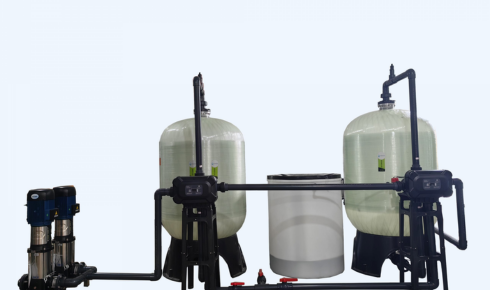
This is where water softeners can be helpful. A properly installed softener reduces hardness minerals, making the water easier to live with. Showers may feel better, laundry can come out softer, and fixtures often stay cleaner for longer. It is not flashy, but it makes ordinary routines smoother.
Drinking Water Deserves Its Own Attention
The water used for showers and laundry is important, but drinking water often feels more personal. Families notice taste quickly. If the kitchen tap tastes metallic, salty, earthy, or strongly of chlorine, people may stop drinking it altogether and start relying on bottled water.
That can become expensive and wasteful over time. More importantly, it does not fix the water coming into the home. A dedicated drinking water system can help improve the water used for coffee, tea, cooking, soups, ice cubes, baby formula, and everyday hydration.
Better-tasting water can change habits in a quiet way. Kids may drink more water without complaining. Adults may use the tap more often instead of reaching for bottled drinks. Even simple food can taste cleaner when the water used to prepare it is better.
Understanding Advanced Drinking Water Solutions
Some homes need more than a basic drinking water filter. Depending on the water test results, homeowners may want a system that reduces a wider range of dissolved substances and improves taste at a deeper level.
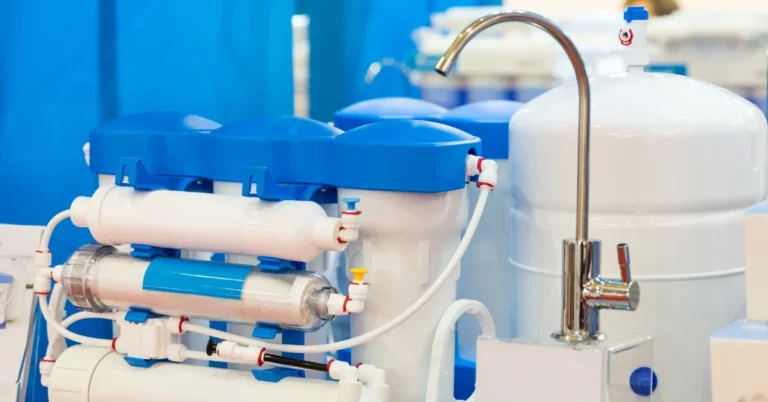
That is why reverse osmosis systems are often considered for kitchen drinking water. These systems use a special membrane to reduce many dissolved solids and certain unwanted substances that standard filters may not address as effectively. They are commonly installed under the sink and connected to a separate drinking water tap.
Still, reverse osmosis is not automatically the right answer for everyone. Some homes only need taste and odour improvement. Others may need more advanced treatment. The best choice depends on the water source, test results, household needs, and how the family actually uses water day to day.
Whole-Home Water Quality Matters Too
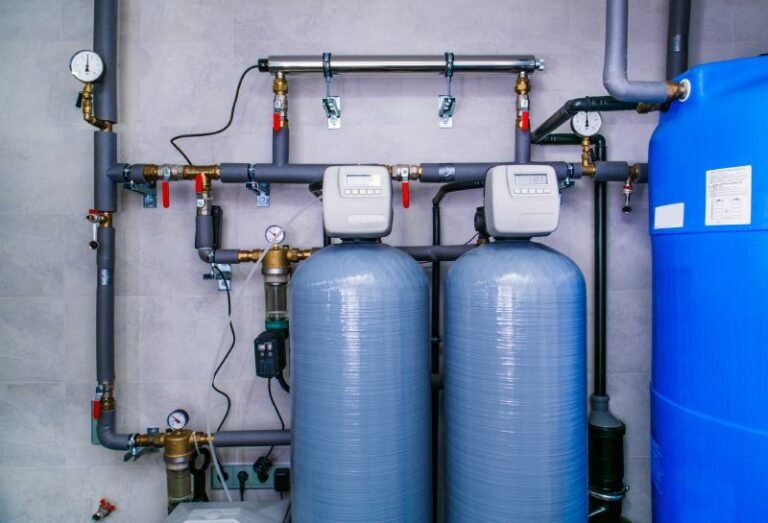
Sometimes the issue is not limited to one tap. If sediment, chlorine, odour, staining, or scale affects several areas of the home, a whole-home approach may be more practical. Treating water as it enters the property can help protect plumbing fixtures, showers, laundry, appliances, and water heaters.
Whole-home systems can be especially useful in larger households, older homes, or properties where water problems show up in more than one room. They can also create a more consistent water experience throughout the house, which is something homeowners often appreciate once they have it.
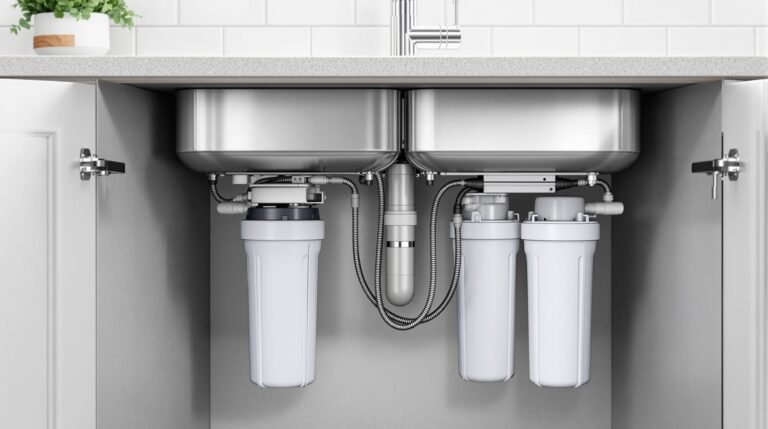
This is where filtration systems can play an important role. Depending on the design, they may help reduce sediment, chlorine taste, unpleasant odours, or other issues that affect water quality. The key is choosing the right type of filter for the actual problem, not just buying the most impressive-looking unit.
Matching the System to the Problem
One of the biggest mistakes homeowners make is assuming all water treatment equipment does the same thing. It does not. A softener helps with hardness, but it does not remove every contaminant. A carbon filter may improve taste and smell, but it will not soften water. A reverse osmosis unit can improve drinking water, but it usually treats one tap rather than the whole house.
This is why proper advice matters. A good water professional should test the water, explain the results clearly, and recommend a system that fits the home. The conversation should feel practical, not pressured. Homeowners should understand what the system does, what it does not do, and what maintenance will be needed later.
Maintenance Keeps Water Systems Working
Even the best equipment needs care. Filters must be replaced. Softener salt needs checking. Reverse osmosis membranes need attention over time. Some systems require periodic cleaning, adjustment, or inspection.
Ignoring maintenance can reduce performance and shorten the life of the equipment. Water may still flow, but the system may not be treating it properly. A simple service schedule can prevent many problems before they become expensive.
Better Water Is a Long-Term Comfort
Good water does not always get noticed in a dramatic way. It shows up in small improvements: better coffee, softer laundry, cleaner fixtures, fresher drinking water, and fewer frustrating marks around the home.
Choosing the right system is not about chasing the biggest or most expensive option. It is about understanding what your water needs and making a smart, practical decision. With proper testing, honest guidance, and the right setup, better water can become one of those quiet home upgrades you appreciate every single day.