Most homeowners don’t spend much time thinking about their water softener. Honestly, that’s probably a good sign. Like a refrigerator or heating system, it’s one of those household things people expect to work quietly in the background without asking for attention.
Until suddenly the dishes look cloudy again.
Or the shower starts leaving your skin dry. Soap doesn’t lather properly. Faucets collect white buildup almost overnight. Little frustrations begin creeping back into daily routines, and eventually someone says, “Wait… didn’t the water used to feel better than this?”
That’s usually the moment people realize water softeners need occasional care too.
I remember helping a family friend troubleshoot their system years ago after they complained their towels felt “crunchy,” which honestly sounded dramatic at first. Turned out the unit hadn’t been checked in ages. Once the system was serviced properly, the difference showed up almost immediately in everything from laundry to shower comfort.
Funny how quickly we notice good water once it disappears.
Why Water Softeners Matter More Than People Realize
Hard water is one of those household problems that slowly wears people down over time. Mineral-heavy water leaves residue on sinks, shortens appliance lifespan, clogs showerheads, and quietly affects how comfortable a home feels overall.
Water softeners help reduce those minerals before they move through the plumbing system. When everything works correctly, homeowners often notice softer laundry, cleaner dishes, smoother skin after showers, and fewer stubborn water spots around fixtures.
The challenge is that many people install a system and then mostly forget it exists afterward.
And honestly, that’s understandable. Life gets busy. Maintenance rarely feels urgent when nothing is obviously broken.
The Importance of Checking Salt Levels
One of the simplest but most overlooked parts of water softener care involves monitoring salt levels regularly. The salt inside the system plays a major role in helping regenerate the softening process over time.
When salt runs too low, the system gradually loses effectiveness, even if homeowners don’t notice the change immediately. Hard water symptoms usually return slowly — cloudy dishes, soap residue, stiff laundry, mineral buildup around faucets.
Because the decline happens gradually, people often assume the system itself failed when the real issue is simply lack of maintenance.
A neighbor once admitted they didn’t realize their softener even needed salt refills. They thought it was “automatic forever.” Unfortunately, homes don’t usually work that way.
Understanding the Resin Tank Without the Technical Headache
A lot of water softener terminology sounds more intimidating than it actually is. Homeowners hear phrases like “regeneration cycles” or resin tank and immediately assume they need an engineering degree to understand their plumbing system.
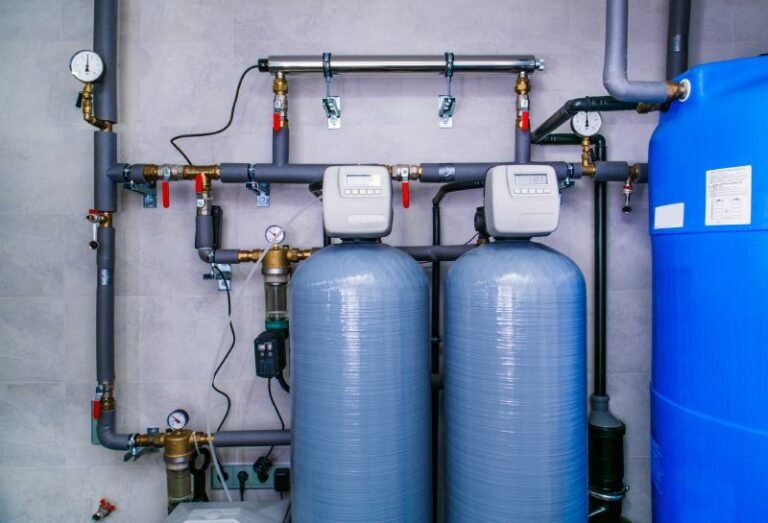
In reality, the resin tank is simply the part of the system where hardness minerals are removed from the water. Tiny resin materials inside the tank help capture calcium and magnesium before the water moves throughout the home.
When functioning properly, the process stays completely invisible to daily life. That’s kind of the point.
But over time, sediment, mineral buildup, or neglected maintenance can reduce efficiency inside the system. Water pressure may change slightly. Mineral residue returns faster than expected. Appliances begin showing signs of hard water wear again.
The good news is that most issues develop gradually enough to catch early if homeowners pay attention.
The Brine Tank Deserves Attention Too
Another part people tend to ignore until problems appear is the brine tank. This section stores the salt and water mixture used during regeneration cycles that help refresh the system’s softening ability.
Sometimes salt bridges form — basically hardened crusts preventing proper salt dissolution. Other times buildup or residue accumulates inside the tank over long periods without cleaning.
Neither issue sounds dramatic, but both can reduce system performance quietly in the background.
One homeowner I spoke with described their brine tank as “the place I pretend doesn’t exist until the water gets weird again.” Honestly, that’s probably more common than most technicians would like to hear.
Small Signs Usually Mean Something
The tricky thing about water softener problems is that they rarely announce themselves dramatically. Most issues arrive through subtle changes people slowly adapt to.
Maybe soap stops lathering as well. Maybe the shower glass becomes harder to clean. Maybe water spots return to dishes despite using the same detergent as always.
These small shifts often signal the system needs attention long before major repairs become necessary.
And honestly, catching problems early usually makes maintenance far easier and cheaper later on.
Why Preventative Care Matters More Than Emergency Repairs
Like most household systems, water softeners reward consistency more than crisis management. Small routine checks often prevent larger frustrations down the road.
Checking salt periodically. Cleaning tanks occasionally. Watching for unusual sounds or performance changes. Scheduling inspections when needed.
None of these tasks feel exciting. But compared to replacing appliances damaged by hard water or dealing with long-term mineral buildup throughout the home, basic maintenance feels surprisingly worthwhile.
A lot of homeowners only realize how valuable softened water was after their system stopped working properly for a while. Suddenly every faucet, shower, and dishwasher cycle becomes a reminder.
Better Water Changes More Than Plumbing
This part doesn’t get discussed enough.
Good water quality affects mood and comfort too. Softer laundry. More relaxing showers. Cleaner sinks. Appliances that work without constant maintenance headaches.
Tiny improvements individually. Yet together they shape how enjoyable a home feels day after day.
And maybe that’s why people become so attached to their water systems once they experience the difference. It’s not really about the equipment itself. It’s about the comfort it quietly supports.
Final Thoughts
Water softeners tend to live quiet, invisible lives tucked away in basements, garages, or utility rooms where nobody thinks much about them until problems appear.
But behind the scenes, these systems play a surprisingly important role in protecting plumbing, improving comfort, and reducing everyday frustrations caused by hard water.
And honestly, a little attention goes a long way.
Sometimes maintaining a home well isn’t about dramatic renovations or expensive upgrades. It’s simply about caring for the invisible systems already working hard every single day.