

Most homeowners think about plumbing only when something stops working. A clogged drain, a leaking pipe, no hot water during a winter morning — those problems get attention immediately because they interrupt daily life in obvious ways.
But some plumbing systems work silently in the background without anyone noticing them at all. In fact, the less attention they attract, the better they’re usually doing their job.
Backflow prevention is one of those systems.
It’s not exactly the kind of thing people casually discuss over coffee. Yet it plays a surprisingly important role in protecting the water flowing into homes every single day. And honestly, most homeowners don’t realize it exists until an inspection or repair suddenly brings it up.
Clean Water Depends on More Than People Think
We tend to assume clean water simply arrives when we turn on the faucet. It feels automatic. Reliable. But modern plumbing systems involve a lot of hidden protections working behind the scenes to keep water safe.
One of the biggest risks plumbing systems guard against is contaminated water flowing backward into the clean supply. That reversal, known as backflow, can happen when sudden pressure changes occur in municipal systems or household plumbing.
A drop in pressure might sound harmless, but under certain conditions it can pull contaminated water in the wrong direction through pipes. Fertilizers, chemicals, dirty irrigation water, or other pollutants can potentially enter clean water lines if safeguards aren’t in place.
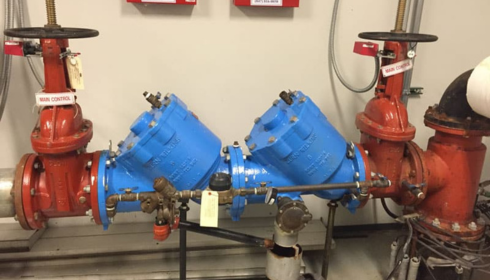
That’s why the backflow device matters more than many homeowners realize. Its entire purpose is to stop water from reversing direction and protect the integrity of the drinking water supply.
The funny thing is that when these devices work properly, nobody notices them at all. They quietly do their job without demanding attention.
Most Homeowners Don’t Think About Water Until Something Feels Wrong
Water is one of those everyday comforts we completely take for granted until something changes. Maybe the water pressure suddenly drops. Maybe there’s discoloration from the tap. Or maybe an inspector mentions a plumbing issue nobody has ever heard of before.
I remember helping a family member prepare for a home sale years ago when an inspector pointed out a missing backflow preventer connected to the irrigation system. Everyone standing there nodded politely while secretly wondering what he was talking about.
That moment stuck with me because it highlighted how many important systems exist inside homes without homeowners fully understanding them.
And honestly, that’s normal. Most people aren’t plumbing experts. They just want clean water to arrive safely every day without complications.
Why Water Safety Isn’t Something to Ignore
The phrase water safety sounds technical at first, but it’s really about something incredibly basic: making sure the water entering your home stays clean and uncontaminated.
Backflow problems are relatively uncommon, which is exactly why people underestimate them. But when contamination risks appear, they can affect far more than convenience. Clean drinking water is one of those essentials people only fully appreciate once there’s uncertainty around it.
That’s why municipalities and plumbing codes take backflow prevention seriously, especially for properties with irrigation systems, pools, commercial plumbing setups, or fire suppression systems.
The systems protecting water quality may stay hidden most of the time, but their importance becomes obvious pretty quickly once something fails.
Inspections Catch Problems Before They Become Serious
One challenge with plumbing safety systems is that homeowners can’t always tell when something isn’t working properly. Unlike a dripping faucet or clogged drain, failing backflow equipment may not show obvious symptoms immediately.
That’s where regular plumbing inspection services become valuable.
Professional inspections help identify worn components, failing valves, corrosion, pressure irregularities, or outdated equipment before they create larger problems. In many areas, annual backflow testing is actually required for certain properties because prevention works best before contamination risks ever develop.
Some homeowners see inspections as annoying maintenance tasks, but honestly, they’re usually far less stressful than emergency plumbing situations later.
One plumber told me something years ago that stuck in my mind: “Most plumbing disasters start quietly.” He wasn’t wrong.
The Quiet Side of Homeownership
There’s an interesting truth about owning a home — some of the most important systems are the ones nobody notices day to day. Plumbing, electrical wiring, drainage systems, water protection devices… they all operate quietly behind walls and underground while supporting everyday life without much appreciation.
People focus naturally on visible things. Fresh paint. New flooring. Kitchen upgrades. But the hidden systems often matter far more to the actual safety and comfort of the home.
Backflow prevention falls into that category completely.
Nobody brags about their backflow assembly at family gatherings. Yet those quiet protections help ensure the water flowing into sinks, showers, and kitchens stays safe for everyone inside the home.
Small Maintenance Habits Prevent Bigger Problems
Like any mechanical system, plumbing components eventually wear down. Valves age. Seals weaken. Mineral buildup affects performance over time. Preventative maintenance and inspections help identify those issues before they become emergencies.
And honestly, most homeowners would rather schedule a routine inspection than deal with contaminated water concerns unexpectedly later on.
The good news is that modern plumbing technology has improved significantly over the years. Certified professionals can test, inspect, and repair backflow systems far more efficiently than many people realize.
Final Thoughts
Backflow prevention probably isn’t the first thing homeowners think about when considering home maintenance, but it quietly plays a major role in protecting water quality every single day.
Like many hidden plumbing systems, its value comes from preventing problems before anyone notices them. And maybe that’s the best kind of home protection there is — the kind working silently in the background while life continues normally around it.
Because at the end of the day, few things matter more than knowing the water flowing through your home is clean, reliable, and safe.