Most people don’t spend much time thinking about water. It’s one of those things that quietly fades into the background of daily life — until something changes.
Maybe the tap water starts tasting slightly metallic. Maybe there’s a chalky film showing up on dishes no matter how carefully you clean them. Or maybe your skin feels unusually dry after showers, and you blame the weather for months before considering the water itself.
That’s usually how it begins. Quietly.
Water problems rarely show up all at once. They build slowly enough that homeowners adapt without realizing how much daily comfort is being affected in the process.
And honestly, once people start paying attention to their water quality, they often realize the issue touches far more parts of life than they expected.
Water Quality Shapes Everyday Routines
It’s funny how many ordinary things depend on clean, balanced water.
Morning coffee. Laundry. Cooking. Showering. Washing dishes. Even the lifespan of appliances quietly depends on what’s flowing through the pipes every day.
Poor water quality can create all kinds of small frustrations that seem unrelated at first. Hard minerals leave buildup on fixtures. Sediment affects appliance performance. Chlorine changes taste and odor. Plumbing systems slowly accumulate scale over time.
None of these problems necessarily feel urgent individually. But together, they slowly wear down the experience of living comfortably in your own home.
I remember visiting a friend whose dishwasher constantly left cloudy spots on every glass. They blamed detergent brands, rinse aids, even the dishwasher itself. Eventually, a technician pointed out the real issue was the water quality. Once they addressed that, the “dishwasher problem” practically disappeared.
Sometimes the water is the hidden factor behind issues people never connect to it.
Why More Homeowners Are Paying Attention
There’s definitely been a shift over the last several years.
People are more aware now of what goes into their homes and bodies. They read ingredient labels more carefully. They think about air quality, food sourcing, and naturally, water quality became part of that larger conversation too.
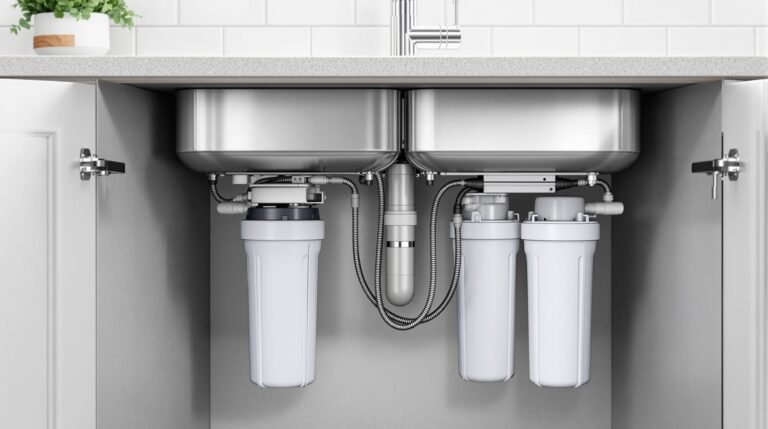
That’s one reason water filtration systems have become increasingly common in ordinary households instead of feeling like specialty upgrades.
Homeowners want cleaner-tasting water, fewer contaminants, and more confidence in what their families use every day. But beyond health concerns, many people simply want their homes to function more smoothly.
Cleaner dishes. Better-tasting coffee. Softer laundry. Fewer plumbing headaches.
And honestly, those goals feel pretty reasonable.
Not Every Home Needs the Same Solution
One thing that surprises many homeowners is how different water issues can be from one house to another.
Some homes deal mainly with hard water minerals. Others struggle with chlorine-heavy municipal supplies, sediment, sulfur odors, or aging infrastructure affecting taste and quality. Well water homes often face entirely different challenges depending on local groundwater conditions.
That’s why modern water systems have become much more customized instead of relying on generic one-size-fits-all setups.
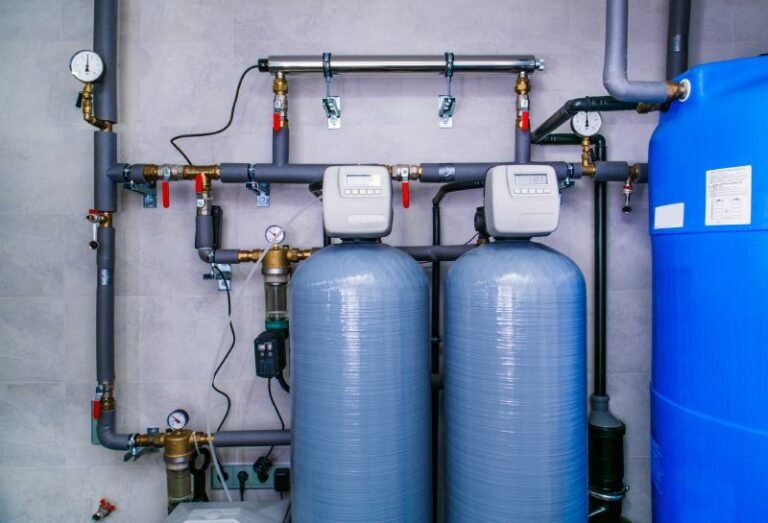
A home with high mineral content may benefit most from softening systems. Another household may need sediment filtration or advanced drinking water purification. The best solution depends entirely on the water itself.
And honestly, that’s why testing matters so much before buying expensive equipment. Guessing usually leads to solving the wrong problem.
Reverse Osmosis Became Popular for a Reason
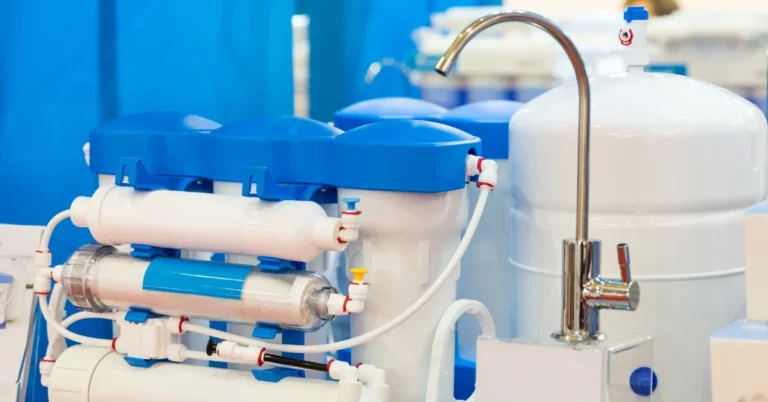
Among homeowners focused on drinking water quality specifically, reverse osmosis systems have gained a lot of attention over the years.
And honestly, once people experience properly filtered water through reverse osmosis, it’s easy to understand why.
These systems are designed to remove a broad range of dissolved impurities and contaminants, often creating noticeably cleaner-tasting water. Coffee tastes smoother. Tea feels less bitter. Even ice cubes somehow seem fresher.
What’s interesting is that people often expect dramatic results, but the biggest difference usually comes from consistency. The water simply feels cleaner and more reliable day after day.
Of course, reverse osmosis isn’t automatically necessary for every household. Some homes mainly struggle with hard minerals or sediment rather than drinking water impurities. But for families prioritizing taste and purification, it often becomes one of those upgrades they wish they had installed sooner.
Better Water Quietly Protects the Entire Home
One aspect homeowners frequently overlook is how much water quality affects appliances and plumbing systems over time.
Mineral buildup inside water heaters, dishwashers, coffee makers, and washing machines slowly reduces efficiency and increases wear. Pipes accumulate scale. Heating elements work harder than they should.
These issues rarely happen overnight, which makes them easy to ignore until repair bills start arriving.
That’s why improving water quality often becomes less about luxury and more about long-term home maintenance. Proper treatment systems help reduce hidden stress on the infrastructure people depend on every single day.
And unlike trendy home upgrades, good water systems quietly provide value in the background year after year.
The Best Home Improvements Are Often the Quietest
At the end of the day, clean water isn’t really about fancy technology or impressive equipment.
It’s about comfort.
It’s the relief of turning on the tap without second-guessing the taste. It’s softer towels, cleaner dishes, smoother showers, and appliances that last longer because they aren’t constantly fighting mineral buildup behind the scenes.
Most homeowners who improve their water quality end up saying something surprisingly similar afterward: they didn’t realize how much the old problems were affecting daily life until those problems disappeared.
And honestly, that might be the best sign of all.
Good water fades into the background where it belongs, quietly making everyday life feel easier without demanding attention for itself.