A reverse osmosis system doesn’t look particularly exciting.
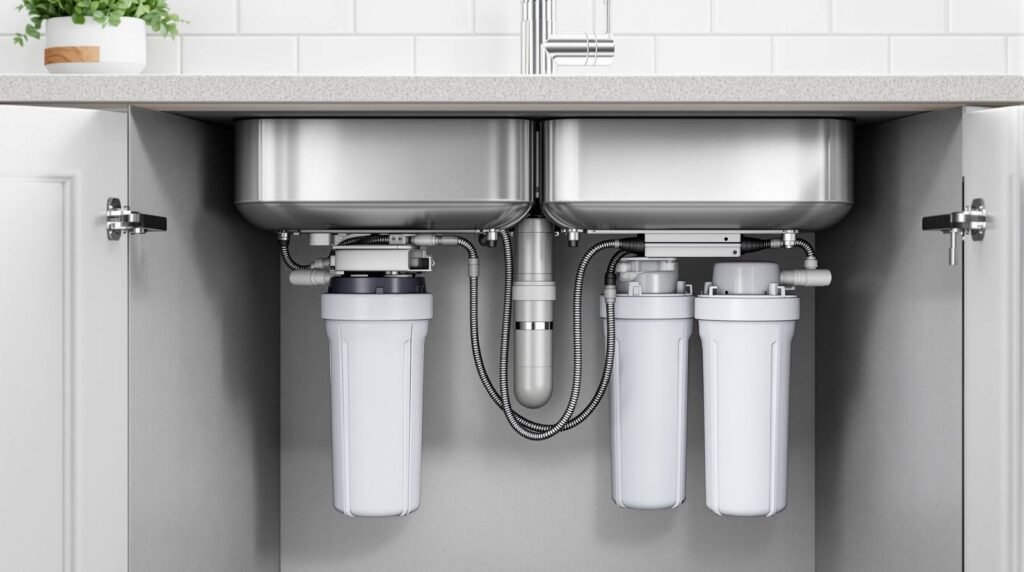
There may be a few filters under the kitchen sink, some tubing, a storage tank, and a faucet sitting neatly beside the regular one. That’s about it. Yet those relatively ordinary-looking components work together to change the quality and taste of drinking water in a surprisingly effective way.
The interesting thing is that performance isn’t determined by one component alone. Membrane quality matters, of course, but so do pressure, filtration, tubing, storage capacity, installation, and maintenance.
It’s a bit like making coffee. You can have excellent beans, but if the water is poor, the grinder is wrong, or the brewing temperature is off, the final cup still won’t be great.
Reverse osmosis works much the same way.
Start With the Purpose of the System
Before choosing an RO system, think about what you want it to accomplish.
Some households primarily want better-tasting drinking water. Others want to reduce dissolved substances identified through testing. Some people use RO water for cooking, coffee, ice, and other everyday purposes.
Knowing the goal helps determine how the system should be configured.
A water test can also provide useful context. It may identify hardness, total dissolved solids, chlorine, sediment, iron, or other characteristics that influence system design.
The more you know about the incoming water, the easier it becomes to select the right equipment.
Storage Capacity Matters More Than It Seems
Reverse osmosis produces treated water more slowly than a regular faucet delivers it.
That’s why many traditional systems use a storage tank. The system gradually fills the tank so treated water is available when you need it.
A gallon tank can provide a reserve for drinking and cooking, but the actual amount of usable water depends on tank design, pressure, and operating conditions.
Choosing storage capacity should therefore be based on household demand rather than simply picking the largest tank.
A couple who drinks a few glasses of RO water each day has different needs from a family that uses treated water for cooking, coffee, ice, and several bottles every day.
More capacity can be useful, but it also requires more physical space.
Multiple Filter Stages Have Different Jobs
One of the most common misunderstandings about RO systems is assuming that every filter does the same thing.
It doesn’t.
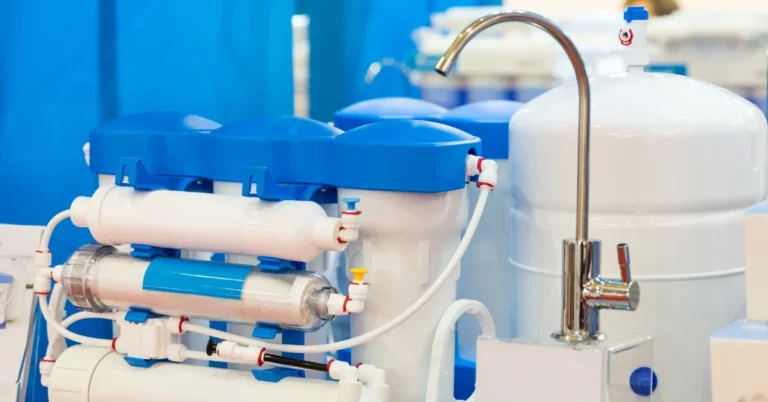
A typical system may include a sediment filter to capture particles, one or more carbon filters to reduce chlorine and certain compounds, and the RO membrane itself.
Some systems add a post-filter to improve taste before water reaches the faucet.
These filter stages work together.
Pretreatment helps protect the membrane and prepares the water for the main treatment process. The membrane then performs the primary separation of many dissolved substances.
Understanding this sequence makes maintenance easier, too. If you know what each stage does, it becomes easier to understand why certain filters need replacement at different intervals.
Tubing Is Small but Important
It’s easy to overlook the tubing because it doesn’t look like a sophisticated component.
But tubing carries water between the various stages, storage tank, drain connection, and faucet. The material and installation quality therefore matter.
In drinking-water applications, using appropriate materials is especially important.
For example, NSF certified color coded tubing can help installers distinguish connections and use tubing that has been evaluated for applicable drinking-water requirements.
Color coding may sound like a small convenience, but it can make installation and future service easier. When several lines run through a compact cabinet, being able to identify their purpose at a glance saves time.
Little details like this tend to matter most when you’re kneeling under the sink trying to figure out which line goes where.
Pressure Influences RO Performance
Reverse osmosis relies on pressure.
If incoming water pressure is too low, production can slow and the system may take longer to fill its storage tank. Low pressure can also influence how efficiently the membrane operates.
Homes with insufficient pressure may require a booster pump.
On the other hand, excessive pressure can also be problematic if it exceeds the system’s operating limits.
Before installation, it’s worth checking household water pressure and confirming the operating requirements of the chosen equipment.
This isn’t the most glamorous part of RO ownership, but it can have a major impact on everyday performance.
Water Temperature Matters Too
Water temperature can affect membrane performance.
Cold water generally passes through an RO membrane more slowly than warmer water. That doesn’t mean you should heat the feed water — definitely not.
It simply means that rated production numbers should be understood in context.
Manufacturers typically provide performance specifications under particular conditions. Real homes don’t always match those laboratory conditions.
Temperature, pressure, dissolved solids, and membrane condition can all affect actual production.
So if a system doesn’t produce exactly the number of gallons stated in a specification sheet, that doesn’t automatically mean something is wrong.
Drain Water Is Part of the Process
Traditional RO systems send some water to the drain while producing treated water.
The exact amount varies by system design and operating conditions.
For environmentally conscious households, wastewater efficiency is worth considering before purchasing equipment.
Some newer systems are designed to recover more water, while properly maintained membranes can also operate more efficiently than poorly maintained ones.
Ask about the expected recovery ratio rather than assuming every RO system operates the same way.
A few minutes of research can make the long-term water-use difference clearer.
Maintenance Protects the Whole System
Filters don’t last forever.
Sediment and carbon cartridges eventually become loaded. Membranes can lose performance. Post-filters need replacement as well.
Ignoring maintenance can cause more than a slight decline in taste.
A clogged pre-filter can restrict flow. A depleted carbon filter may stop protecting the membrane properly. An aging membrane may produce water more slowly or provide less effective treatment.
The good news is that routine maintenance is usually manageable.
Set reminders. Keep replacement filters available. Follow the manufacturer’s recommendations.
It’s much easier to replace a cartridge on schedule than troubleshoot a system that has been neglected for a year.
Installation Should Leave Room for Service
Under-sink space is precious.
The temptation is to fit everything into the smallest possible corner and forget about it.
That’s not ideal.
Filters need to be accessible. Tubing should not be sharply bent or awkwardly routed. The storage tank needs room, and connections should remain visible enough for inspection.
A neat installation isn’t just about appearance.
It makes future maintenance easier and can help technicians identify problems quickly.
If you have to remove half the contents of a cabinet just to replace a filter, you’re probably going to put off the job.
Think About the Faucet Too
The dedicated RO faucet is the final point where treated water reaches the user.
Its location matters.
Most people prefer it somewhere convenient for filling glasses, coffee makers, water bottles, and cooking pots.
A faucet that is technically functional but awkwardly positioned will eventually become annoying.
Small design choices make a difference in everyday use.
Don’t Choose a System by One Specification
It’s easy to compare RO systems by membrane capacity or the number of filters.
But one specification rarely tells the complete story.
Look at the whole system.
Consider the quality of the membrane, pretreatment, storage capacity, operating pressure, water efficiency, tubing, certification, replacement costs, installation, and service requirements.
Most importantly, consider the actual water entering your home.
A system designed for one water profile may not be ideal for another.
The Best RO System Is the One That Fits Real Life
Reverse osmosis doesn’t have to be complicated.
A properly selected system can provide convenient treated water for drinking and cooking without demanding much attention from the homeowner.
But good performance comes from details working together.
The right storage capacity keeps treated water available. Appropriate filter stages protect the membrane and improve water quality. Proper tubing supports safe, organized connections. Adequate pressure keeps production moving.
None of these components has to be flashy.
They just need to work together.
And that’s perhaps the most useful way to think about reverse osmosis. Don’t focus only on what’s inside the box. Think about how the entire system will fit into your kitchen, your water conditions, your maintenance habits, and your daily routine.
When those pieces line up, good drinking water becomes wonderfully ordinary — which, in a busy household, is exactly what you want.