Water is one of those things most of us barely think about until something seems wrong. A metallic taste, bluish-green stains around a faucet, or plumbing that keeps developing problems can make you wonder what’s happening beneath the surface. Sometimes, the answer isn’t the pipes themselves. It may be the chemistry of the water flowing through them.
Water chemistry can be surprisingly complicated, particularly for homes that rely on private wells. One important factor is pH, which tells us whether water is acidic, neutral, or alkaline. While pH is only one part of water quality, it can have a noticeable effect on plumbing, fixtures, appliances, and the way water behaves throughout a home.
Understanding that chemistry makes it much easier to choose treatment that actually addresses the problem rather than simply adding another piece of equipment.
What Does pH Really Tell You?
The pH scale is generally measured from 0 to 14, with 7 considered neutral. Values below 7 indicate acidity, while values above 7 indicate alkalinity. That sounds simple enough, but small changes can matter because the pH scale is logarithmic.
For homeowners, the useful takeaway is that water doesn’t have to look unusual to have an unusual pH. Clear water can still interact differently with metal plumbing, fixtures, and other materials depending on its chemistry.
pH also doesn’t tell you everything about water quality. A test showing a certain pH doesn’t automatically tell you whether the water contains iron, sulfur, bacteria, hardness minerals, or other substances. Think of pH as one piece of a larger puzzle.
Why Acidic Water Can Be Hard on Plumbing
When homeowners talk about acidic water, they’re often describing water with a pH below the neutral range. Depending on the circumstances and the plumbing materials involved, acidic water can contribute to corrosion.
Copper plumbing may be particularly noticeable because corrosion can sometimes result in blue-green staining around fixtures. Metallic tastes may also become more apparent.
That doesn’t mean every home with slightly acidic water will experience serious plumbing damage. Water chemistry is influenced by several factors, including mineral content, alkalinity, temperature, and the materials used in the plumbing system.
Still, if recurring stains or plumbing issues are present, checking the water chemistry is a sensible place to start.
Signs Worth Paying Attention To
Your home can sometimes give you hints that something about the water has changed.
A metallic taste is one possible clue. Staining around sinks, faucets, or fixtures can be another. You might also notice changes in water appearance after it has been sitting in pipes for a while.
None of these signs proves that pH is the problem. That’s important. It’s easy to see a stain and immediately blame one specific contaminant, but several water-quality conditions can produce similar symptoms.
A proper laboratory or professional water test can provide a much clearer picture. It can also reveal related factors that might otherwise be missed.
What Happens When pH Is Too Low?
A low pH can create conditions that are more corrosive to certain plumbing materials. Over time, this may increase the potential for deterioration, particularly when the water chemistry and plumbing system make corrosion more likely.
For a homeowner, the concern isn’t just about replacing a faucet someday. Water that interacts aggressively with plumbing can become a broader maintenance issue. Nobody enjoys discovering a leak under the sink or finding that an older fixture has developed persistent discoloration.
There’s another reason to take the issue seriously: corrosion can affect the chemistry of the water itself as it travels through plumbing. The exact effect depends heavily on the plumbing material and overall water chemistry.
So, rather than focusing on pH as an isolated number, it’s better to understand how it fits into the entire system.
Testing Is the First Practical Step
Before installing treatment equipment, test the water. It sounds obvious, yet it’s one of the easiest steps to overlook.
A useful water test may include pH along with alkalinity, hardness, iron, manganese, total dissolved solids, and other parameters based on the water source and the home’s specific concerns.
For private wells, broader testing can be especially helpful because groundwater chemistry can vary from one location to another. Seasonal changes may also influence certain characteristics.
Testing gives you a baseline. Without it, treatment becomes a little like trying to fix a car while wearing a blindfold. You may get lucky, but it’s not exactly a sound strategy.
How Neutralization Systems Work
When testing confirms that water is too acidic, neutralization can be considered. A neutralizing system generally works by adding or dissolving alkaline material into the water to raise its pH toward a more suitable range.
Some systems use calcite-based media, while others may use a combination of media depending on the water chemistry. The right approach depends on factors such as flow rate, acidity, alkalinity, water consumption, and the composition of the incoming water.
This is where professional sizing can make a real difference. A system that is too small may struggle to keep up with household demand. One that is unnecessarily large can add cost and maintenance without providing meaningful extra value.
Getting the Installation Right
Equipment alone doesn’t solve a water-quality problem. Installation matters, too.
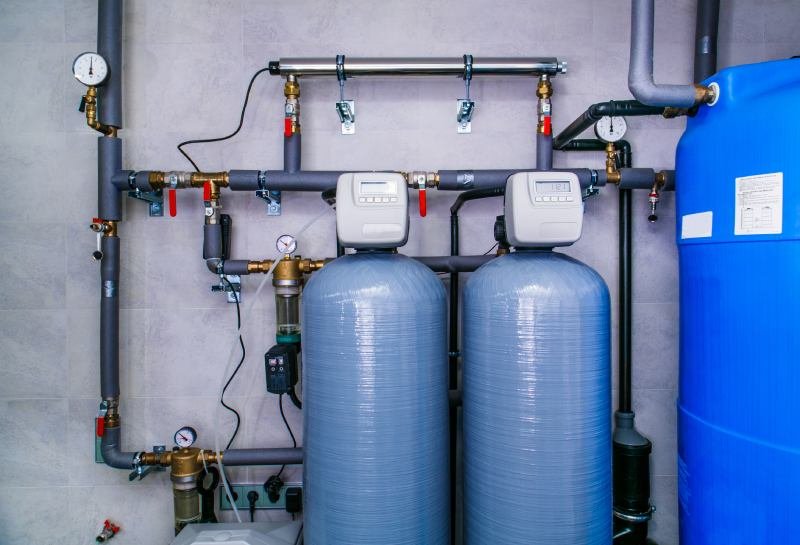
A properly planned water neutralizer system installation should consider where the equipment will be placed, how water enters the home, available drainage, flow requirements, and how the system will be maintained later.
Accessibility is an underrated detail. If a filter tank or treatment component is tucked into an awkward corner, routine maintenance can quickly become a chore that everyone keeps putting off.
The installer should also understand the home’s existing plumbing and any other treatment equipment. A neutralizer may be part of a larger treatment setup, and the order of treatment stages can matter.
Don’t Forget About Maintenance
Water treatment systems aren’t completely “set it and forget it” appliances.
Neutralizing media can gradually be consumed and may need replenishment or replacement. The schedule depends on the water chemistry and how much water the household uses.
It’s also worth monitoring pH after installation. The goal isn’t simply to install equipment and never look at the water again. Periodic testing helps confirm that the treatment continues to perform as expected.
If other water-quality problems appear later, additional testing may be necessary. Homes change, wells change, and plumbing changes. Water treatment sometimes needs to change along with them.
A Balanced Approach Makes More Sense
There can be a temptation to chase a perfect pH number. In practice, the goal is usually more sensible: maintain water chemistry that is appropriate for the home’s plumbing and intended use while addressing other identified water-quality concerns.
That means avoiding unnecessary treatment just as much as avoiding an obvious problem.
If your water has a strange taste, recurring stains, or plumbing issues, don’t jump straight to a product based on a guess. Test first. Understand the results. Then look at treatment options that match the actual chemistry.
Good water treatment should feel almost uneventful once it’s working properly. You turn on the faucet, fill a glass, wash your hands, and get on with your day.
That’s really the point. The best solution isn’t necessarily the most complicated one. It’s the one that fits your water, your home, and the problems you’re genuinely trying to solve.
When water chemistry is understood rather than guessed at, decisions become clearer. And sometimes, that little bit of knowledge can prevent a much bigger plumbing headache down the road.