Water is one of those everyday necessities that rarely gets much attention until something changes. A glass may taste a little different. White spots might start appearing around the faucet. Maybe the water has an odd smell after sitting in a glass for a while. These little signs can be easy to ignore, but sometimes they’re worth investigating.
The important thing is not to jump straight to the most expensive treatment system. Water quality varies from one property to another, and the right solution depends on what is actually present. A simple water test can often tell you far more than guessing ever will.
Why Water Quality Can Vary
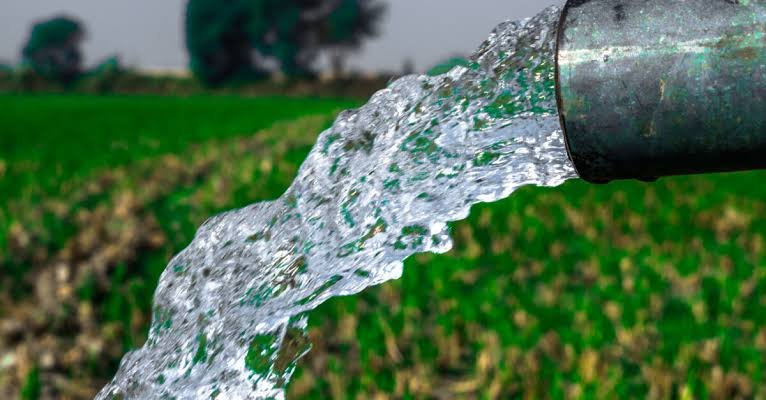
Water picks up characteristics from its surroundings before it reaches your home. Groundwater can move through layers of soil and rock, collecting naturally occurring minerals along the way. Municipal water supplies are treated, but their characteristics can still vary depending on the source and local system.
Your home’s plumbing can also influence what comes out of the tap.
That means two houses on the same street may experience somewhat different water-quality concerns. One might have noticeable mineral buildup, while another may be more bothered by taste or sediment.
It’s not unusual, and it doesn’t necessarily mean something is seriously wrong.
Hard Water Is a Common Household Complaint
One of the most familiar water-quality issues is hard water. Hardness is primarily associated with dissolved calcium and magnesium.
You may notice it as white deposits around faucets, cloudy marks on shower glass, or spots on dishes after washing. Soap and shampoo can also behave differently, sometimes leaving a film or making it harder to get that clean, rinsed feeling.
Hard water can also contribute to scale inside water heaters and other water-using appliances.
A water softener can be useful when hardness is the main concern. But testing first is still a smart move, because a softener isn’t designed to address every water-quality issue.
What Iron Can Do to Your Water
Iron is another substance that homeowners, particularly those using private wells, may encounter. iron can cause reddish, orange, or brown staining on sinks, tubs, toilets, and laundry.
In some cases, iron can also contribute to an unpleasant metallic taste or affect the appearance of the water.
The amount and form of iron matter when choosing treatment. Different systems are designed for different conditions, so simply purchasing a generic filter may not solve the problem effectively.
If you notice persistent rust-colored staining, testing the water can help determine whether iron is actually responsible and what type of treatment might be appropriate.
Other Changes You Shouldn’t Ignore
Sometimes the problem isn’t a dramatic color change or obvious buildup. You may notice an unusual smell, a strange taste, cloudy water, or tiny particles in a glass.
These changes can have many possible causes.
For example, an odor may come from the water itself—or from a drain or plumbing component near the faucet. Cloudiness can sometimes be caused by harmless air bubbles, while persistent discoloration may require further investigation.
This is why observation matters. Take note of when the change happens, whether it affects hot and cold water, and whether it appears at multiple faucets.
Those details can be surprisingly helpful.
What About Other Contaminants?
Homeowners sometimes worry about other contaminants that aren’t visible or easy to identify by taste or smell. Depending on the water source and local conditions, water can contain various substances that require specific testing.
The important point is that you can’t reliably identify everything by looking at a glass of water.
A clear glass doesn’t automatically tell you what’s dissolved in it, just as an unusual taste doesn’t identify the exact cause.
Appropriate laboratory or professional testing is the better way to understand water quality when there is a genuine concern.
Why Water Testing Comes First
Testing is often the most sensible starting point because it provides information before you invest in treatment.
Depending on the test, you may learn about hardness, pH, iron, minerals, sediment, and other characteristics. More specialized testing can be used when there are particular concerns related to the water source.
Once the results are available, treatment becomes much more targeted.
Maybe you need a softener. Perhaps sediment filtration is enough. You could need a specific iron-treatment system, carbon filtration, or another technology.
There’s no prize for installing the most complicated setup.
The goal is to treat the actual problem.
Private Wells Need Extra Attention
Homes with private wells have a little more responsibility when it comes to monitoring water quality. Unlike municipal customers, well owners are responsible for maintaining and testing their own water supply.
Conditions can change because of heavy rainfall, seasonal groundwater movement, nearby land activity, or changes to the well itself.
If you use well water, regular testing is a practical habit. It’s particularly important when you notice a sudden change in taste, smell, appearance, or water pressure.
Don’t wait for the water to look terrible before paying attention.
Choosing the Right Treatment Technology
Once you understand the water, you can start looking at treatment options.
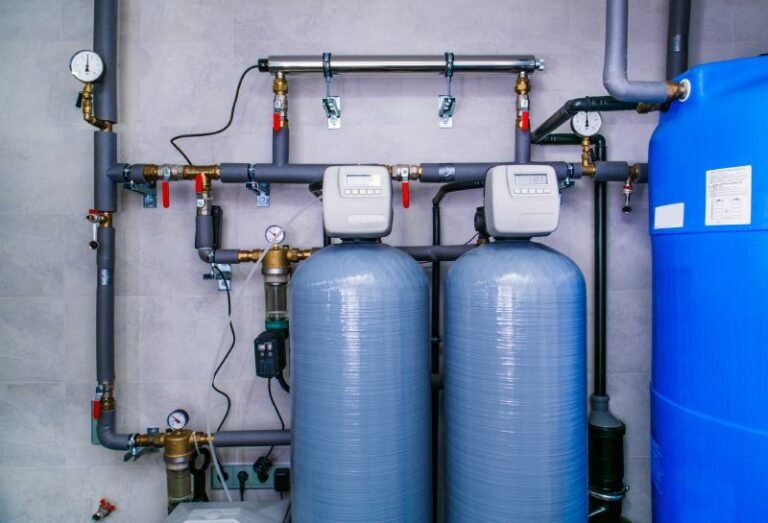
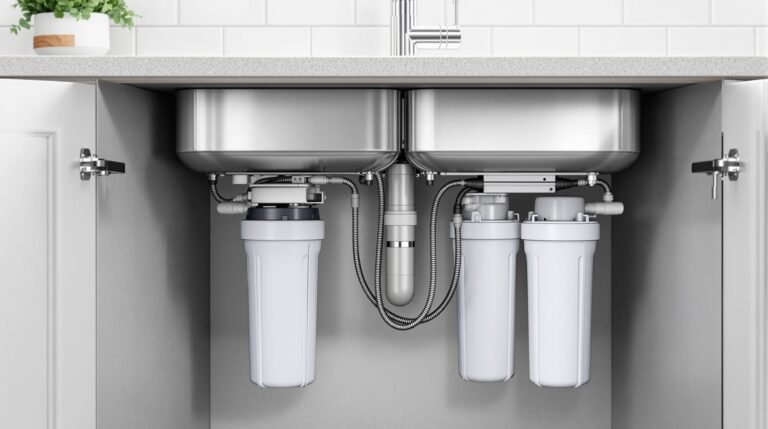
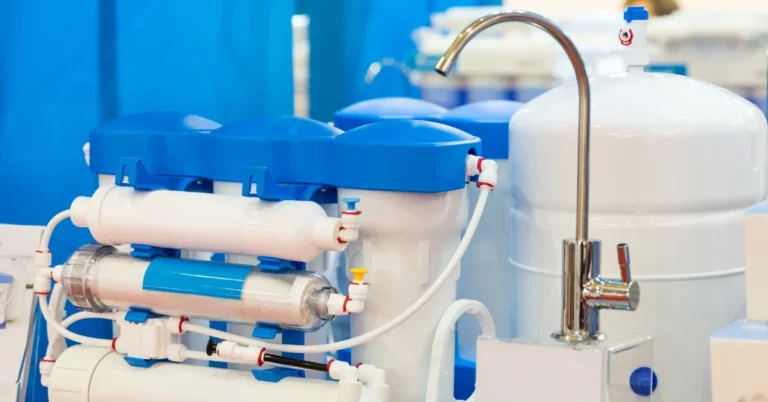
Water softeners are designed primarily for hardness. Sediment filters can capture particles. Carbon filtration may improve certain tastes and odors. Reverse osmosis systems are commonly used for more targeted drinking-water treatment.
Each technology has a different purpose.
Some homes may benefit from combining systems. For example, a softener might address hardness throughout the house while a drinking-water filter handles specific concerns at the kitchen faucet.
The best setup is the one that makes sense for your water and your household.
Don’t Forget About Maintenance
Even a well-designed water treatment system needs maintenance.
Filters have limited lifespans. Softener salt needs monitoring. Valves, tanks, pumps, and other components may eventually require inspection or replacement.
Pay attention to changes in water quality after installation. If the water begins behaving differently, don’t automatically assume the system has permanently failed. It may simply need a filter change, adjustment, cleaning, or professional service.
Keeping track of maintenance dates makes this much easier.
Better Water Starts With Better Information
Water treatment doesn’t have to be complicated. In fact, the smartest approach is often fairly simple.
Notice the signs. Test the water. Understand the results. Then choose treatment that addresses the actual issue.
Don’t buy equipment simply because someone says every home needs it. Ask what the system treats, what it doesn’t treat, how often it needs maintenance, and what the long-term costs will be.
When you approach water quality this way, the process becomes much less confusing.
And eventually, the best outcome is that you stop thinking about the water altogether. The faucets stay cleaner, appliances have less buildup, and the water tastes and feels the way you expect. It’s a small everyday improvement, perhaps—but those are often the improvements that make a home feel noticeably better.