

Most homeowners worry about the obvious stuff. Roof damage after a storm. A broken air conditioner in the middle of summer. Maybe a cracked window or faulty appliance. But water leaks are different. They tend to arrive quietly, without much warning, and by the time you notice them, the damage has usually already spread farther than you expected.
That’s what makes them so frustrating.
A tiny leak under a sink doesn’t seem dangerous at first. Neither does a loose washing machine hose or a slow drip behind a wall. But water has a way of traveling silently through floors, insulation, drywall, and cabinets while nobody realizes what’s happening.
And honestly, that’s why more homeowners are becoming proactive about leak prevention instead of waiting until something goes wrong.
Water Damage Rarely Looks Dramatic at First
The movies always show burst pipes spraying water everywhere, but real-life plumbing problems are usually much less obvious. Often, the first signs are subtle.
A musty smell in the hallway. Paint bubbling slightly near the ceiling. Floors that feel strangely warm or soft near the bathroom. Sometimes the only clue is a water bill that suddenly creeps higher for no obvious reason.
One homeowner I spoke with discovered a slow leak only after noticing her dog kept sniffing the same corner near the laundry room every day. Turns out a pipe connection behind the wall had been dripping for weeks.
Strange how houses try to warn us sometimes.
Modern Homes Are Getting Smarter About Water
Technology changed a lot of things inside homes over the last decade. Security cameras became common. Smart thermostats appeared everywhere. Even refrigerators started connecting to Wi-Fi for reasons nobody fully understands.
Now plumbing systems are quietly becoming smarter too.
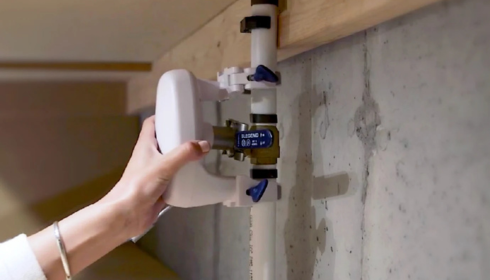
Many homeowners are installing sensors that monitor moisture levels near water heaters, dishwashers, washing machines, and sinks. Some systems send instant alerts if unusual water activity appears. Others go further by using automatic shut off technology that can stop water flow entirely when serious leaks are detected.
At first glance, that might sound excessive.
Until you think about how much damage a broken pipe can cause in a single night while everyone is asleep upstairs.
Leak Prevention Is Cheaper Than Restoration
One of the hard lessons homeowners learn after water damage is how expensive restoration becomes once moisture spreads through the house.
Flooring replacement. Mold remediation. Drywall repairs. Insurance deductibles. Temporary hotel stays during repairs. It adds up fast.
That’s part of why water leak prevention systems have become more popular lately. People are realizing that preventing damage early usually costs far less than repairing a flooded room later.
And honestly, the emotional side matters too.
A friend of mine dealt with a leaking refrigerator line that damaged part of his kitchen flooring. The repair bill hurt, sure, but what bothered him most was how disruptive the process became. Contractors in and out for weeks. Furniture moved everywhere. Constant noise and dust. He kept saying, “I wish I’d caught it earlier.”
That’s what most homeowners say afterward.
Small Leaks Cause Bigger Problems Than Expected
One thing people underestimate about water damage is how destructive slow leaks can become over time.
A burst pipe is obvious immediately. But a tiny leak hidden inside a wall can quietly encourage mold growth, weaken wood framing, and damage insulation long before visible signs appear. By the time homeowners notice stains or odors, moisture may have already spread much farther than expected.
That’s why smart monitoring systems are becoming part of broader home safety conversations rather than just plumbing upgrades. Water damage doesn’t only affect property — it can influence indoor air quality, structural stability, and overall living conditions too.
And unlike dramatic emergencies, these problems often build silently.
A plumber once told me, “The worst leaks are usually the ones nobody hears.”
Honestly, that line stuck with me.
Older Homes Need Extra Attention
Older properties often face higher risks simply because plumbing systems age quietly over decades. Pipes corrode internally. Water pressure stresses older fittings. Appliance hoses become brittle over time.
The tricky part is that most homeowners don’t know how old certain plumbing components actually are.
That uncertainty makes routine inspections surprisingly important. Checking under sinks occasionally, replacing aging supply hoses, and monitoring water pressure can prevent a lot of headaches later. None of it feels exciting, but preventative maintenance rarely does.
And honestly, prevention almost always feels boring right up until the moment it saves you thousands of dollars.
Peace of Mind Matters More Than People Expect
One thing homeowners often mention after installing monitoring systems is how much less anxious they feel while away from home.
Traveling becomes easier when you know your plumbing system is being monitored. Winter storms feel less stressful. Even long workdays feel slightly more comfortable because you’re less worried about returning to unexpected water damage.
That peace of mind has real value.
Homes already come with enough unpredictable expenses and maintenance surprises. Anything that reduces unnecessary risk tends to feel worthwhile over time, especially for families who travel often or own older properties.
The Best Systems Work Quietly in the Background
The interesting thing about leak prevention systems is that homeowners rarely think about them once they’re installed — and honestly, that’s probably the ideal outcome.
You don’t want to constantly manage them. You simply want them ready if something goes wrong.
Kind of like smoke detectors or security systems. Their value isn’t in daily excitement. It’s in quietly standing guard while normal life continues around them.
And maybe that’s the bigger shift happening in modern homes right now. People are becoming more interested in invisible upgrades that protect comfort, reduce stress, and prevent expensive surprises rather than only focusing on cosmetic renovations.
Because at the end of the day, most homeowners would rather stop a small leak early than spend months rebuilding after one they never saw coming.