Water is one of those things we rarely think about until something feels off. Maybe your coffee suddenly tastes different. Maybe your shower leaves your skin feeling unusually dry. Or perhaps you’ve noticed cloudy glasses coming out of the dishwasher despite using the same detergent you’ve trusted for years. These little moments often hint at a bigger story happening behind the scenes.
The truth is, every home has unique water challenges. What’s flowing through your taps depends on where you live, the condition of local infrastructure, and even the age of your plumbing. Because of that, there’s no one-size-fits-all answer when it comes to improving water quality. The good news? There are plenty of effective options once you understand what your home actually needs.
Why Water Quality Matters More Than Most People Realize
It’s easy to assume that clear water automatically means clean water. In many cases, municipal water is perfectly safe to drink, but that doesn’t mean it’s free from minerals, chlorine, sediment, or other substances that affect taste and everyday use.
Water touches nearly every part of daily life. You cook with it, drink it, shower in it, wash your clothes, and even water your garden. Small issues can gradually become noticeable over time, whether it’s mineral buildup inside appliances or skin irritation after long showers.
Understanding your home’s water is less about chasing perfection and more about creating a healthier, more comfortable environment.
The First Step Is Knowing What’s in Your Water
Before buying any filtration equipment, it’s worth taking a closer look at your water supply. A professional water test or a certified home testing kit can reveal things you can’t see with the naked eye.
Testing may uncover elevated mineral content, chlorine levels, iron, sediment, or naturally occurring contaminants depending on your location. Having this information prevents spending money on equipment that solves the wrong problem.
Think of it like visiting a doctor before taking medication. A proper diagnosis usually leads to a much better outcome.
When an Entire Home Needs Protection
Sometimes the issue isn’t limited to drinking water alone. If every faucet in the house seems affected, a more comprehensive approach makes sense.
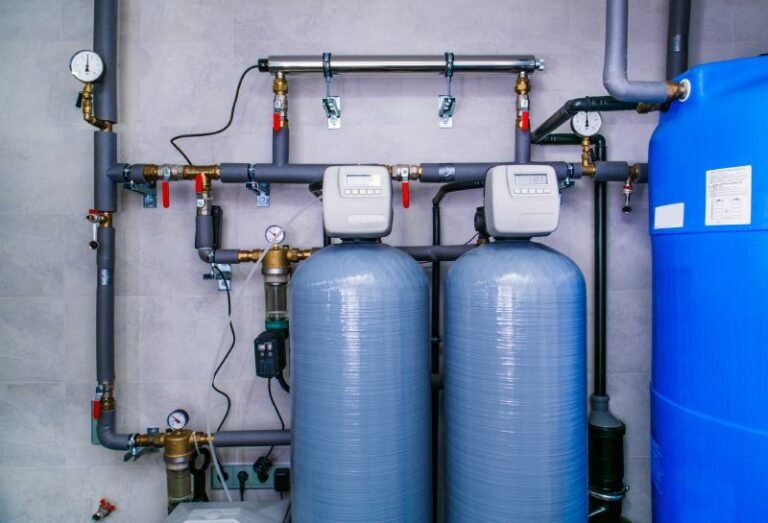
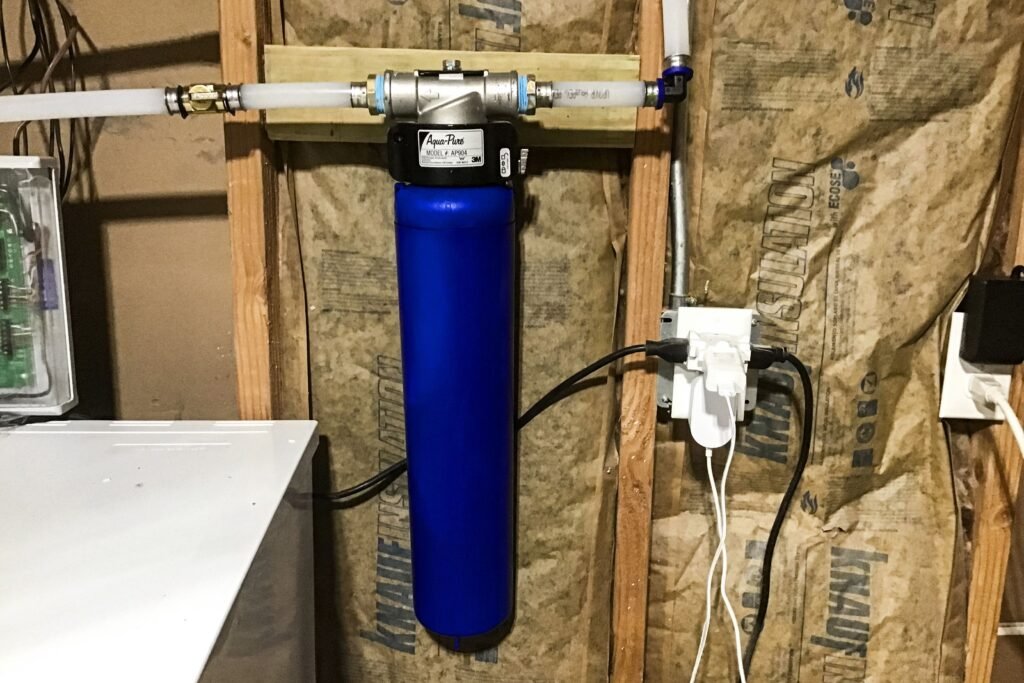
That’s where whole-house filtration systems become a practical investment. Installed where water enters the home, these systems treat water before it reaches your kitchen, bathrooms, laundry room, and other fixtures.
Many homeowners appreciate the consistency they provide. Cleaner water throughout the house often means less sediment buildup, longer-lasting plumbing fixtures, and appliances that don’t have to work quite as hard. It also improves showering and laundry, benefits that people don’t always consider until they experience the difference firsthand.
Why Drinking Water Often Requires Extra Attention
Even when household water feels acceptable, many families still prefer an additional layer of purification for cooking and drinking.
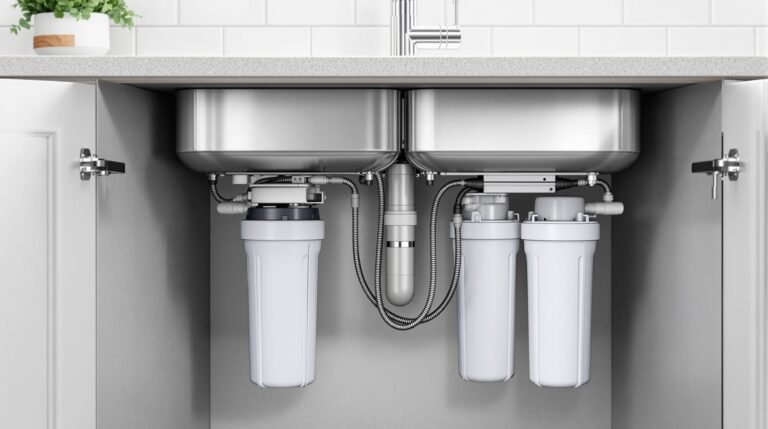
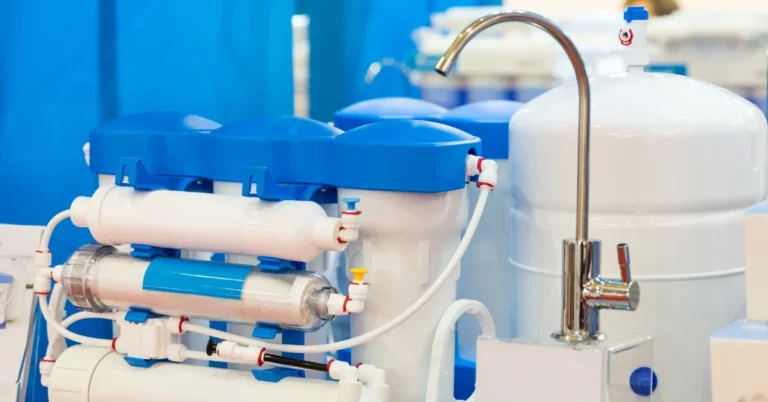
This is where reverse osmosis units have earned a strong reputation. These systems use advanced membrane technology to remove a wide range of dissolved contaminants, producing water with a noticeably cleaner taste.
People often notice the difference in everyday routines. Coffee tastes richer, tea becomes clearer, and even soups or homemade ice cubes seem fresher. It’s not magic—just cleaner water allowing ingredients to shine without unwanted flavors getting in the way.
For households that prioritize drinking water quality, reverse osmosis remains one of the most trusted solutions available.
Understanding the Challenges of Hard Water
Not every water issue involves contamination. In many regions, the biggest concern is simply hard water.
This happens when water contains higher concentrations of dissolved calcium and magnesium. While these minerals aren’t generally harmful to health, they can create plenty of household frustrations.
Soap doesn’t lather as easily. White spots appear on dishes and glassware. Showerheads slowly clog with mineral deposits, and water heaters often lose efficiency over time due to scale buildup.
Many homeowners don’t realize how much these minerals affect their homes until they switch to softened or conditioned water. The difference can be surprisingly noticeable, from softer laundry to easier bathroom cleaning.
Don’t Buy Equipment Based on Advertising Alone
Water treatment companies advertise impressive features, but marketing doesn’t always reflect your home’s actual needs.
Instead of choosing equipment because it’s popular, focus on solving specific problems identified through testing. A family dealing with iron staining needs a different solution than someone concerned about chlorine taste or mineral scaling.
It’s also worth asking about maintenance requirements. Some systems require filter replacements every few months, while others can operate much longer with minimal attention. Understanding ongoing costs helps avoid surprises later.
A little research today often saves money—and frustration—down the road.
Maintenance Makes All the Difference
Even the best filtration system can’t perform properly forever without regular care.
Filters eventually become saturated. Membranes wear down. Sediment cartridges fill up over time. Ignoring maintenance reduces performance and can shorten the lifespan of the equipment.
Fortunately, keeping most systems running efficiently isn’t particularly difficult. Following the manufacturer’s recommended maintenance schedule ensures consistent performance while protecting your investment.
Many homeowners set reminders on their phones so replacement intervals don’t slip by unnoticed.
Think Beyond Today’s Water Problems
One mistake people sometimes make is buying equipment that only addresses their current concerns.
But homes evolve. Families grow. Appliances change. Municipal water sources occasionally shift as well.
Choosing a flexible system—or one that can be expanded later—often proves more valuable over the long term. It provides room to adapt without replacing the entire setup if water conditions or household needs change.
That forward-thinking approach tends to pay off years later.
A Better Water Experience Starts with Better Decisions
Improving water quality doesn’t have to feel overwhelming. In fact, it usually begins with one simple question: “What does my home actually need?”
Once you understand your water, selecting the right treatment solution becomes much easier. Whether your goal is better-tasting drinking water, protecting expensive appliances, reducing mineral buildup, or simply creating a more comfortable home environment, there’s likely a solution designed specifically for your situation.
At the end of the day, clean water isn’t just about what’s coming out of the tap. It’s about confidence. Confidence when filling a glass for your family, preparing meals, washing clothes, or taking a relaxing shower after a long day.
Investing in better water isn’t merely an upgrade to your plumbing—it’s an investment in your home’s comfort, efficiency, and everyday quality of life. And honestly, once you’ve experienced consistently better water throughout your home, it’s surprisingly difficult to imagine going back.