Water has a way of blending into the background of everyday life. You turn on the faucet to make coffee, wash vegetables, fill a pet’s bowl, or take a relaxing shower without giving it much thought. It’s always there—until something changes. Maybe the water starts tasting different, leaves cloudy spots on dishes, or feels harsher on your skin than it used to.
Those small changes can be easy to dismiss. After all, life is busy, and water isn’t exactly the most exciting thing to think about. But over time, those subtle differences often reveal something worth paying attention to. Understanding your home’s water isn’t about expecting problems everywhere. It’s about making informed choices that improve comfort, protect your plumbing, and support your family’s daily routine.
Water Isn’t the Same Everywhere
One of the biggest misconceptions people have is believing all tap water is essentially identical. In reality, every home has its own water profile.
Your location, plumbing materials, local infrastructure, groundwater conditions, and even seasonal weather all influence the water that eventually reaches your faucet. Two houses on the same street may experience different levels of hardness, mineral content, or sediment depending on their plumbing systems.
That’s why recommendations from neighbors don’t always apply to your home. Water should be understood before it’s treated.
The good news is that modern testing makes this process surprisingly straightforward.
Why Testing Is Worth the Effort
Many homeowners wait until something becomes obviously wrong before checking their water. By that point, mineral buildup may already be affecting appliances, plumbing fixtures, or water pressure.
Routine testing helps identify characteristics such as hardness, pH balance, iron, manganese, chlorine levels, dissolved solids, and other naturally occurring substances. Homes using private wells especially benefit from regular testing because well water isn’t continuously monitored by municipal treatment facilities.
Think of testing as preventative maintenance rather than troubleshooting. Just as routine vehicle inspections prevent larger repairs, understanding your water today can save money tomorrow.
Choosing the Right water treatment solutions
There isn’t a universal answer when it comes to water treatment solutions , and that’s actually a good thing.
Every household has different priorities. Some homeowners simply want better-tasting drinking water. Others hope to reduce hard water deposits that leave residue on fixtures and appliances. Families using private wells may require completely different systems than those connected to municipal supplies.
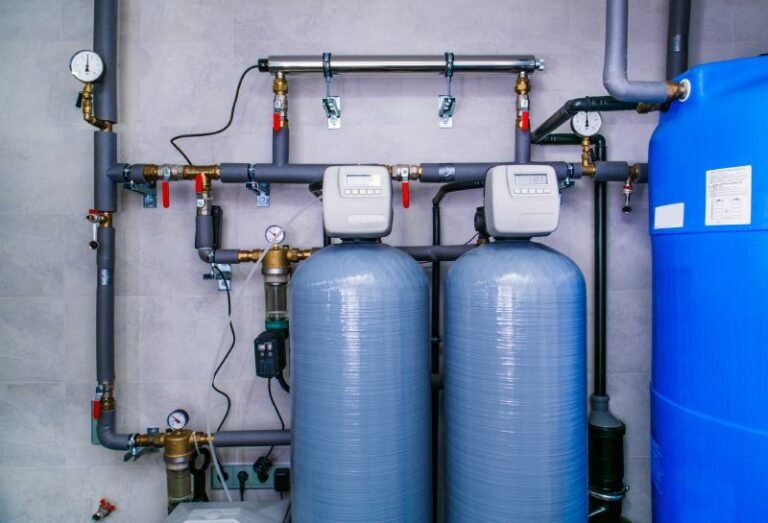
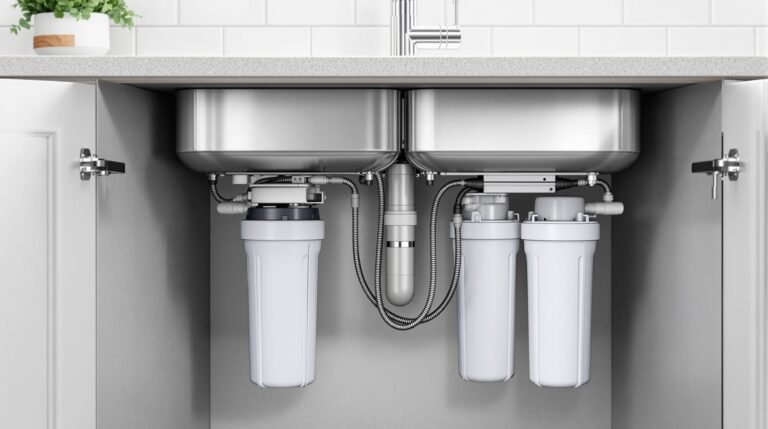
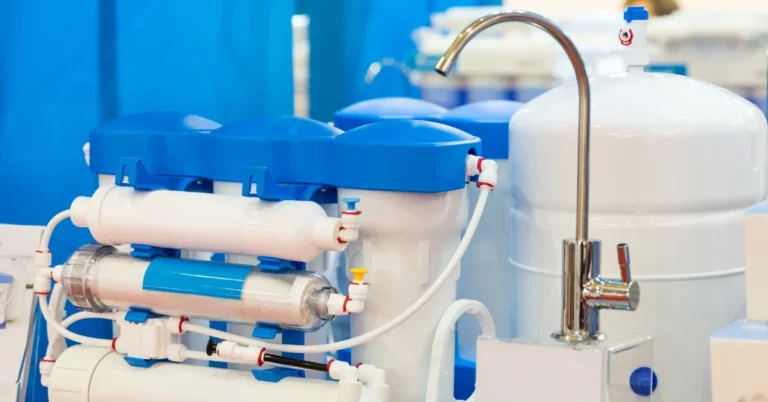
Activated carbon filters, reverse osmosis units, water softeners, sediment filters, and ultraviolet treatment systems all serve different purposes. The best choice depends entirely on what your water analysis reveals.
Rather than purchasing equipment based on advertisements or online trends, it’s far more practical to choose a solution tailored to your home’s actual needs.
That approach almost always delivers better results while avoiding unnecessary expenses.
Everyday Benefits of cleaner water
Most people think of cleaner water as something that only affects drinking, but its benefits extend throughout the entire home.
Fresh ingredients often taste better when prepared with water that doesn’t contain excess chlorine or minerals. Coffee and tea develop cleaner flavors, while soups and homemade meals better reflect their natural ingredients.
Laundry also benefits. Clothes generally feel softer and maintain brighter colors when excessive mineral deposits aren’t interfering with detergents. Glassware dries with fewer spots, bathroom fixtures remain cleaner for longer, and showerheads experience less scale buildup.
Perhaps most noticeably, many homeowners simply enjoy using water more when it tastes fresh and feels pleasant.
These improvements aren’t dramatic overnight transformations. They’re quiet, everyday comforts that gradually become part of normal life.
Small Maintenance Habits Go a Long Way
Even the best filtration equipment requires occasional care.
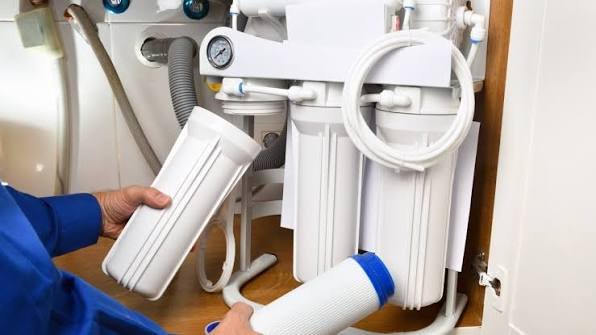
Filters need replacing, softeners require routine servicing, and faucet aerators should be cleaned periodically to remove sediment. Skipping maintenance doesn’t usually cause immediate problems, but performance slowly declines until familiar issues begin returning.
Fortunately, these tasks don’t demand much time.
Keeping a simple schedule for filter replacements, flushing your water heater annually, and paying attention to gradual changes in taste or pressure can help maintain consistent water performance for years.
Like caring for any important household system, consistency matters far more than complexity.
Better Water Supports a healthier home
A healthier home isn’t created by one product or one improvement. Instead, it’s built through many small choices that support everyday living—and water plays a surprisingly important role in that picture.
Water is involved in nearly everything your family does. It’s used for cooking meals, washing produce, bathing children, cleaning surfaces, doing laundry, and caring for pets. When your water is well-maintained, these daily activities become more comfortable and efficient.
Improved water quality may also reduce mineral buildup inside plumbing systems, helping appliances like washing machines, dishwashers, and water heaters operate more efficiently over time.
While clean water alone isn’t the secret to perfect health, it certainly contributes to a home environment that feels cleaner, more comfortable, and easier to maintain.
Don’t Wait Until Something Goes Wrong
One interesting thing about household water is that problems usually don’t appear overnight.
Instead, they develop gradually.
Minerals slowly accumulate inside pipes. Sediment collects in fixtures. Filters lose effectiveness after months of use. Homeowners often adapt to these changes without realizing how different their water has become compared to a year or two earlier.
Paying attention to those subtle shifts allows small concerns to be addressed before they become expensive repairs or frustrating maintenance issues.
Being proactive almost always costs less than reacting later.
Final Thoughts
Water quietly supports nearly every moment of daily life, yet it’s often overlooked because it’s always available. The reality is that understanding your home’s water can improve everything from cooking and cleaning to appliance performance and everyday comfort.
Fortunately, maintaining better water doesn’t require guesswork or expensive experiments. A professional water test, the right treatment system, and routine maintenance provide lasting value while helping protect one of your home’s most important resources.
At the end of the day, improving water isn’t simply about what’s coming out of the tap. It’s about creating a home that functions more efficiently, feels more comfortable, and supports your family in countless small ways that often go unnoticed until they’re experienced.
Sometimes the best home improvements aren’t the most visible ones—they’re the ones you appreciate every single day without even thinking about them.