There’s a quiet assumption most of us live with—that the water flowing from our taps is fine. Not perfect, maybe, but fine. You drink it, cook with it, rinse your hands without hesitation.
And for many people, that assumption holds true.
But every now and then, something nudges you to think twice. A strange taste. A faint odor. Or maybe nothing obvious at all—just a thought that pops up out of nowhere: what’s actually in this water?
It’s not panic. It’s curiosity. And honestly, it’s a healthy one.
The Subtle Nature of Water Concerns
Water doesn’t usually make a scene when something’s off. It doesn’t turn bright colors or send clear signals. Instead, it changes quietly.
You might notice your tea tastes a bit different. Or your skin feels dry after a shower. Maybe your appliances show signs of buildup sooner than expected.
These aren’t urgent problems, but they can point to underlying water quality risks—things like mineral imbalances, trace contaminants, or environmental influences that affect your water over time.
The key thing to understand is that “risk” doesn’t always mean danger. It often just means there’s something worth paying attention to.
What “Safe” Really Means
We hear a lot about safety when it comes to water, but it’s not always clear what that actually involves.
Most municipal systems follow strict safe drinking standards, ensuring water meets established guidelines for cleanliness and safety. But those standards are based on averages and general conditions.
If you’re using a private source—like a well—the responsibility shifts a bit. There’s no routine oversight, no automatic checks. It doesn’t mean your water isn’t safe. It just means you’re the one in charge of confirming it.
And that’s not as complicated as it might sound.
Knowing Instead of Guessing
Here’s where things become more practical.
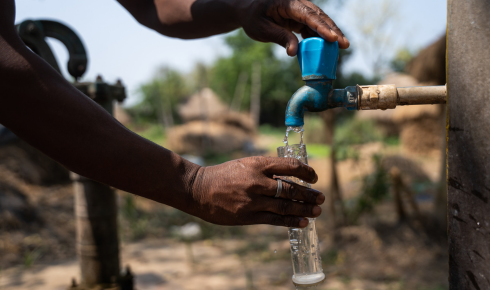
Instead of wondering or assuming, you can test. Simple as that.
There are various testing options available today, ranging from basic home kits to more detailed lab analyses. Some focus on common issues like hardness or chlorine levels, while others dive deeper into potential contaminants.
The point isn’t to become an expert overnight. It’s just to get a clearer picture.
Because once you know what’s in your water, you’re no longer guessing—and that makes every decision easier.
The Changes You Might Not Expect
Improving water quality isn’t always about solving a big problem. Sometimes, it’s about refining the small details.
You might notice your coffee tastes better. Your laundry feels softer. Your skin doesn’t feel as dry after a shower. These aren’t dramatic changes, but they’re meaningful.
It’s like adjusting something slightly out of tune—you don’t realise how off it was until it’s right again.
Why Water Isn’t Static
One thing people often overlook is that water quality can change over time.
Seasonal shifts, rainfall, nearby activity—these factors all influence what ends up in your water. What was fine last year might be slightly different now.
That’s why testing isn’t a one-time task. It’s more of an occasional check-in, a way to stay informed about something that’s always evolving.
It doesn’t require constant attention. Just enough to keep you aware.
When Action Becomes Necessary
If testing reveals something that needs attention, the next step is figuring out what to do.
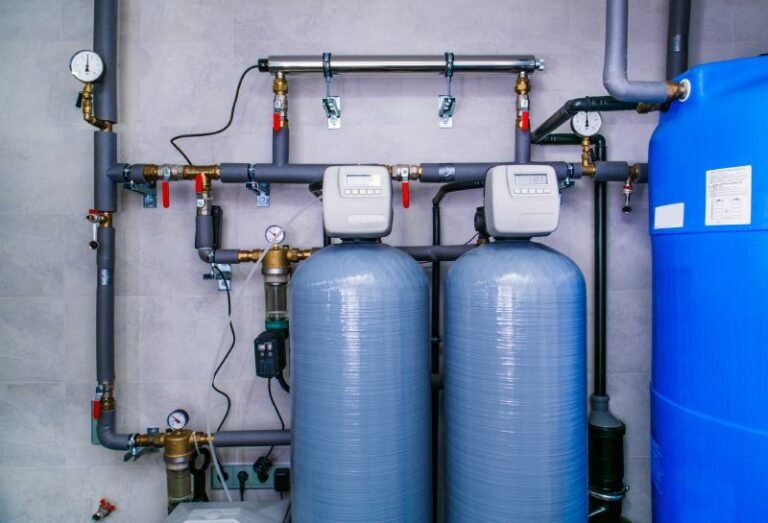
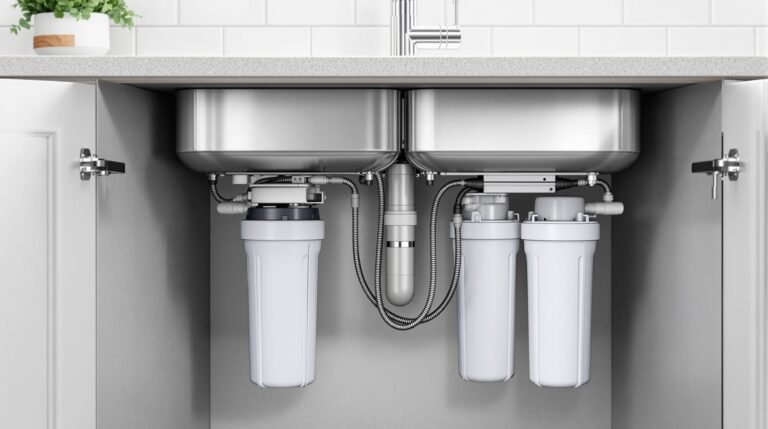
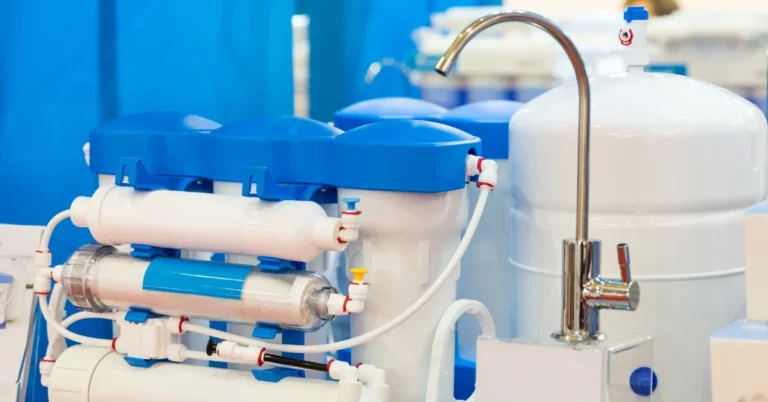
In many cases, the solution is straightforward. A filter, a softener, a targeted treatment system—something designed to address the specific issue you’re dealing with.
The important thing is not to overreact. Not every finding requires a major change. Sometimes, it’s just a matter of fine-tuning what you already have.
And sometimes, everything is fine—and that reassurance is valuable in itself.
The Balance Between Awareness and Peace of Mind
It’s easy to let thoughts about water quality turn into worry. But that’s not the goal here.
The goal is balance.
Understanding your water doesn’t mean you need to fix everything. It means you have the information you need to make informed choices—whether that’s taking action or simply carrying on with confidence.
That’s a much better place to be than uncertainty.
Small Habits That Make a Difference
Beyond testing and treatment, there are simple habits that support better water quality.
Keeping fixtures clean. Replacing filters when needed. Paying attention to changes in taste or appearance.
These steps don’t take much time, but they help maintain consistency. And over time, that consistency becomes part of how your home functions.
Final Thoughts: A Simple Step Toward Confidence
At the end of the day, water is something you rely on constantly. It’s part of your routine, your comfort, your daily life.
Taking a moment to understand it isn’t about being overly cautious. It’s about being informed.
So if you’ve ever wondered what’s really in your water, it might be worth finding out. Not because you expect a problem—but because knowing brings clarity.
And sometimes, that clarity is all you need to feel confident in something you use every single day.