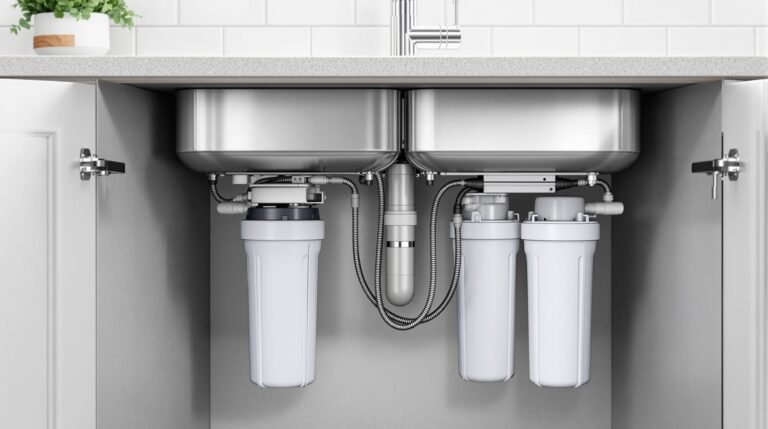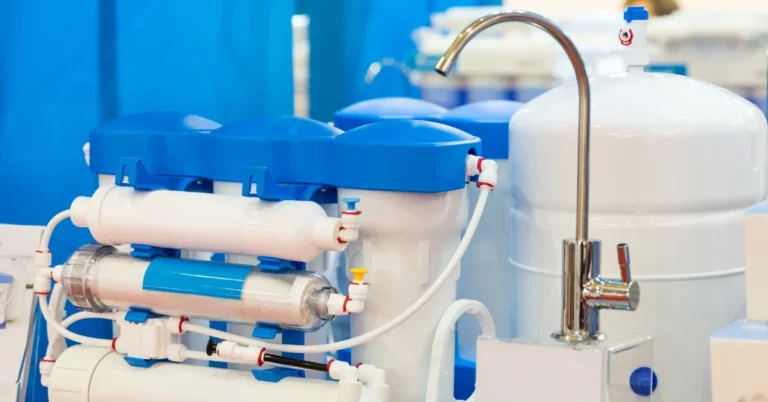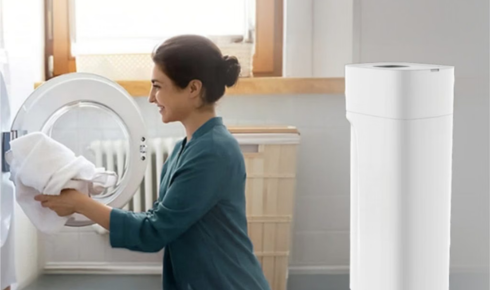
It’s easy to overlook water. You turn on the tap, it flows, and that’s about as much thought as it gets. No big decisions, no daily reflection — just a basic part of life that does its job in the background.
Until, of course, it doesn’t feel quite right.
Maybe it’s the dryness after a shower. Or the way your dishes look slightly cloudy even after a thorough wash. Sometimes it’s the subtle buildup around faucets that refuses to go away no matter how often you clean.
None of it feels urgent. But it does make you wonder.
When “Normal” Starts to Feel Off
Most people live with small water issues longer than they realize. It becomes routine — adding extra detergent, scrubbing a little harder, replacing appliances a bit sooner than expected.
You adapt.
But those adaptations are often signs that your water could be working better. Not perfect, just… better.
And that’s usually where curiosity turns into action.
The Comfort You Didn’t Know You Were Missing
One of the first things people notice when they improve their water is how it feels. Not dramatically different, just noticeably smoother.
That’s where the idea of soft water benefits starts to make sense. It’s not just about reducing buildup or making cleaning easier — though it does both. It’s about comfort. Your skin feels less dry, your hair behaves differently, your laundry comes out softer.
It’s one of those changes that’s hard to explain until you experience it. And once you do, it’s surprisingly hard to go back.
The Impact on Your Home’s Hidden Systems
Here’s something that often gets overlooked: water doesn’t just affect what you see. It affects what you don’t see too.
Inside your pipes, your water heater, your washing machine — mineral buildup can slowly reduce efficiency. Appliances work harder, consume more energy, and wear out faster than they should.
That’s where appliance protection becomes part of the conversation. Better water doesn’t just improve your daily routine; it helps your home run more smoothly behind the scenes. Less strain, fewer repairs, longer lifespans.
It’s not flashy, but it’s practical in a way that adds up over time.
Understanding What’s Actually in Your Water
Water can look perfectly clean and still carry minerals that affect how it behaves. Calcium and magnesium are the most common — they’re the reason behind hard water and many of the issues that come with it.
You don’t see them directly, but you feel their effects.
That’s why calcium magnesium removal is often at the core of water improvement systems. By reducing these minerals, water becomes easier to manage. Soap works better. Surfaces stay cleaner. Appliances perform more efficiently.
It’s less about stripping water down and more about restoring balance.
Finding the Right Approach Without Overcomplicating It
One thing worth keeping in mind — there’s no single solution that works for every home. Water quality varies depending on location, source, and even plumbing conditions.
Some households need comprehensive systems that address multiple concerns. Others might only need a targeted solution. And that’s okay.
The key is understanding what you’re dealing with and choosing an approach that fits your lifestyle. It doesn’t have to be complicated. In fact, the best solutions often feel simple once they’re in place.
The Changes That Sneak Up on You
Improving your water doesn’t come with a dramatic “before and after” moment. There’s no instant transformation that makes everything feel new.
Instead, it’s subtle.
Your showers feel more comfortable. Your dishes come out cleaner. Your home feels just a little easier to maintain. And over time, those small improvements become part of your normal routine.
You stop noticing the problems — because they’re no longer there.
A Quiet Upgrade That Makes Everyday Life Better
At the end of the day, water is one of those essentials that quietly shapes your home and your habits. You don’t think about it much — until something feels off.
And when you decide to improve it, even in a small way, the difference stays with you.
Not in a loud, attention-grabbing way. But in the comfort of your daily routine. The way things just work a little better, without extra effort.
Because sometimes, the best changes aren’t the ones you notice immediately — they’re the ones that quietly make everything else feel right.