Most people don’t think much about their home’s water system once it’s installed. And honestly, that’s understandable. When everything works properly, water becomes part of the background of daily life — automatic, reliable, easy to overlook.
You turn on the shower in the morning without thinking about what’s happening behind the walls. You make coffee, start the dishwasher, toss clothes into the washing machine, and move on with the day.
That’s kind of the goal, really. Good water systems should feel invisible.
But over time, small things start changing. Maybe the water pressure feels weaker than usual. Maybe your coffee tastes slightly different. Or perhaps those annoying white spots start appearing on glasses again even though they’d disappeared months ago.
Usually, those subtle signs are your system asking for attention.
Water Systems Work Harder Than We Realize
It’s easy to forget how much water a home actually uses every single day. Showers, laundry, dishwashers, sinks, toilets, coffee makers, pets, cooking — water moves through nearly every routine without us noticing.
And treatment systems handle all of it quietly in the background.
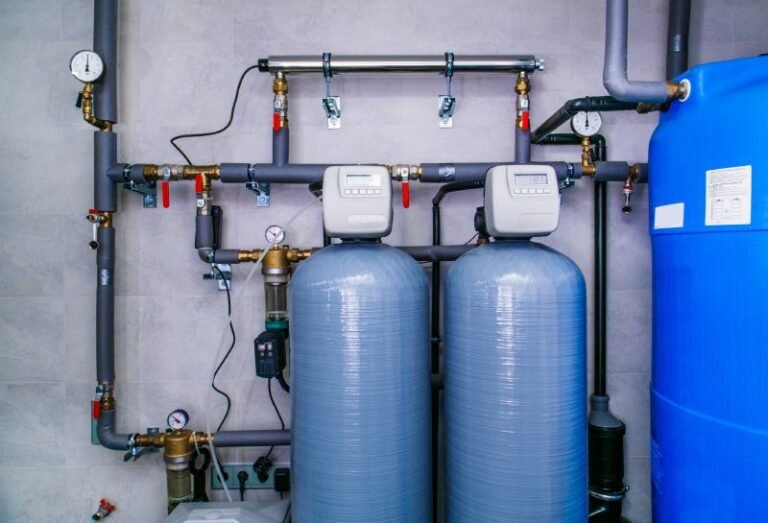
The problem is that many homeowners treat water equipment like permanent appliances that never need care. But filtration systems, softeners, and reverse osmosis units experience wear over time just like anything else.
Filters collect debris.
Minerals accumulate.
Components lose efficiency gradually.
None of this usually happens dramatically. That’s why people ignore it for longer than they probably should.
Why Filter Changes Matter More Than People Think
One of the simplest yet most overlooked parts of water system upkeep is filter replacement.
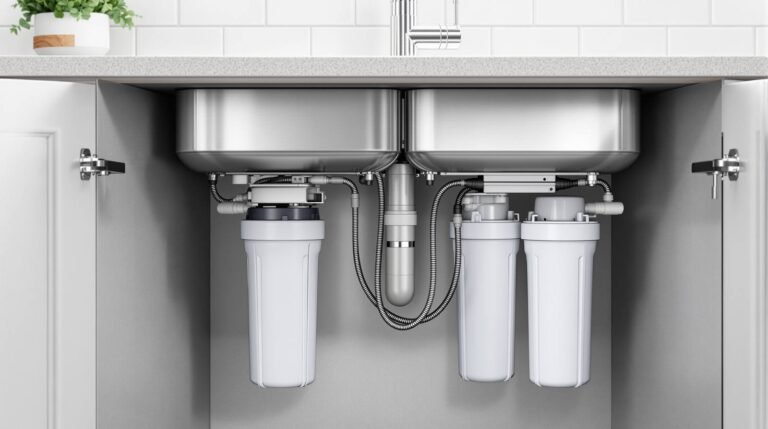
Filters trap sediment, chlorine, minerals, and unwanted particles over time. That’s their job. But eventually, those filters become overloaded, reducing efficiency and sometimes affecting water flow or taste.
I remember visiting someone whose drinking water suddenly tasted “stale,” though they couldn’t describe exactly what had changed. They assumed the city water supply was the problem. Turns out their filters were overdue for replacement by nearly a year.
Once the filters were swapped out, the difference was immediate.
And honestly, this happens all the time. Because filter decline is gradual, homeowners adapt slowly without realizing performance has changed.
Reverse Osmosis Systems Need Attention Too
People often assume reverse osmosis systems are basically maintenance-free once installed. Not exactly.
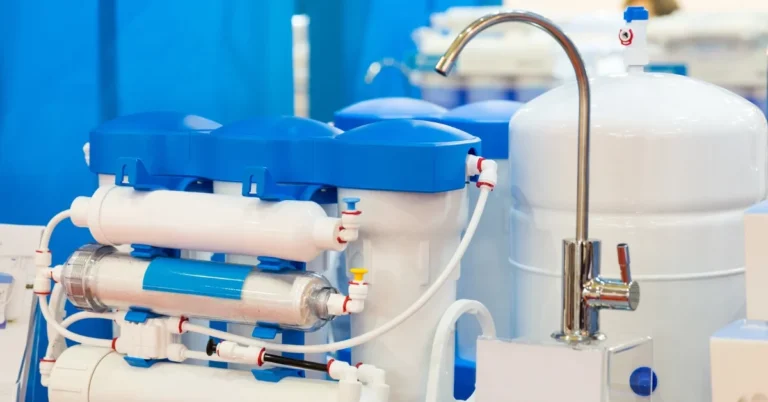
RO systems rely heavily on specialized membranes that gradually wear down depending on water quality and household usage. Over time, those membranes lose effectiveness, which can impact taste, filtration quality, and system efficiency.
That’s why membrane replacement eventually becomes necessary for most reverse osmosis setups. The timeline varies based on usage and water conditions, but ignoring membrane health too long can reduce the overall performance homeowners originally invested in.
The funny thing is, many people don’t notice the decline immediately. Water quality changes slowly enough that the “new normal” feels acceptable until someone finally services the system and the difference becomes obvious again.
Cleaner taste.
Better flow.
More consistent performance.
Small improvements maybe, but noticeable ones.
Tiny Water Changes Often Signal Bigger Issues
One thing homeowners should pay attention to is how water “feels” over time.
Soap not lathering the same way.
Laundry feeling rougher.
Coffee tasting dull.
Reduced water pressure.
Cloudy dishes returning unexpectedly.
These aren’t always emergencies, but they’re often signs that a system needs a closer look.
That’s where a periodic system check becomes useful. Good inspections help catch small problems before they become expensive repairs or frustrating breakdowns.
Sometimes it’s a clogged filter.
Sometimes it’s mineral buildup.
Sometimes it’s pressure imbalance or aging components.
And honestly, preventative care almost always costs less than waiting for complete failure.
Water Conditions Change Over Time
Another thing people rarely consider is that the water entering the home itself may change over the years.
Municipal treatment methods shift occasionally. Seasonal groundwater conditions fluctuate. Sediment levels increase after storms or infrastructure work. Even aging plumbing affects water differently over time.
So a system installed years ago may need adjustments or servicing simply because the water conditions themselves have evolved.
That’s why occasional maintenance matters even when “nothing seems wrong.” Good water systems perform best when they adapt to current conditions rather than operating untouched forever.
Homeowners Usually Notice Comfort First
What’s interesting is that people often notice comfort changes before anything technical.
Showers feel less refreshing.
Skin feels drier.
Water tastes flatter somehow.
Cleaning becomes more frustrating.
A friend of mine described neglected filters perfectly once. She said, “The house just started feeling annoying again.” That stuck with me because it’s surprisingly accurate.
Water quality quietly shapes daily routines in ways most people don’t fully appreciate until something changes.
Maintenance Doesn’t Have to Be Complicated
The good news is that most water system upkeep isn’t especially overwhelming.
Many systems simply require periodic filter changes, inspections, or cleaning depending on the setup. Some homeowners schedule annual service appointments so they don’t have to think about it constantly. Others track replacement dates themselves.
Either way, consistency matters more than complexity.
And honestly, homeowners who stay proactive usually avoid the major headaches altogether.
Better Water Is About Consistency
At the end of the day, most people don’t install water treatment systems because they love technical equipment. They do it because they want everyday life to feel easier.
Cleaner dishes.
Better showers.
Reliable drinking water.
Longer-lasting appliances.
Less buildup and frustration around the house.
But those benefits only stay consistent when systems receive occasional attention too.
Good water systems are a little like good home heating or air conditioning — when everything works properly, you barely think about them. They quietly support comfort in the background without demanding much attention.
And maybe that’s the best sign a system is truly doing its job well.