Water Quality Is a Business Responsibility
Water plays a quiet but important role in countless commercial operations. Restaurants use it for cooking and cleaning. Hotels depend on it for guests and laundry. Manufacturing facilities may need it for production, cooling, or processing. Even a typical office building uses water throughout the day.
Because it is so familiar, water quality can sometimes slip down the priority list. Then a problem appears—a failed inspection, mineral buildup, equipment trouble, or an unexpected change in water quality—and suddenly everyone is paying attention.
A proactive approach is much easier. By understanding water conditions, monitoring treatment systems, and maintaining equipment properly, businesses can reduce surprises and create a more dependable operation.
Why Compliance Matters
Commercial facilities often operate under specific health, safety, environmental, or industry requirements. The exact obligations depend on the type of business, location, water source, and how the water is being used.
For many organizations, regulatory compliance isn’t simply paperwork. It is part of protecting customers, employees, equipment, and the business itself.
Failing to meet applicable requirements can lead to inspections, corrective actions, operational disruptions, or financial consequences. More importantly, poor water management can create real health or process concerns when water is used in sensitive applications.
That’s why businesses should understand which standards apply to their operations and keep appropriate records of testing, maintenance, and treatment performance.
Testing Provides a Clear Starting Point
It’s difficult to manage water quality if you don’t know what is happening inside the system.
Water testing can identify characteristics such as hardness, pH, sediment, chlorine, iron, dissolved substances, and other parameters depending on the type of analysis required.
A professional water quality analysis provides useful information for selecting treatment technology and establishing a baseline for future monitoring.
Think of it as taking a snapshot. Once you know what the water looks like today, you have something to compare against later. If conditions change, the difference may provide an early clue that equipment, plumbing, or the water source needs attention.
Automation Is Changing Facility Management
Modern water treatment systems are becoming more connected and easier to monitor. Instead of relying entirely on manual checks, facilities can use sensors, controls, alerts, and automated processes to keep a closer eye on system performance.
For larger operations, continuous monitoring & automation can make water management more consistent. Depending on the equipment, monitoring may track flow, pressure, water characteristics, filter status, or other operating conditions.
Automation doesn’t mean employees are no longer needed. Quite the opposite. It gives staff better information so they can make decisions earlier.
If a system begins behaving differently at 2 a.m., an alert can be much more useful than discovering the problem at 8 a.m. when production has already started.
Protecting Equipment Through Better Water Management
Water quality can have a significant effect on commercial equipment.
Hard water may create scale inside boilers, heaters, dishwashers, cooling systems, and other water-dependent equipment. Sediment can affect valves and filters. Certain water conditions may also contribute to corrosion or other maintenance problems.
Treatment doesn’t eliminate every equipment issue, but it can help control water characteristics that contribute to wear.
This matters because commercial equipment is expensive. A small water-quality problem repeated every day can eventually become a large maintenance bill.
Protecting equipment isn’t just about extending its life. It can also help keep operations predictable.
Maintenance Should Be Planned
A water treatment system is only as useful as the maintenance behind it.
Filters need replacement. Sensors may need calibration. Components can wear out. Treatment media may require service or replacement.
Businesses should establish a written maintenance schedule and assign responsibility for routine checks. Service records should also be kept so facility managers can see what has been done and identify recurring problems.
This might sound overly organized, especially for a smaller business, but a simple maintenance checklist can prevent a lot of confusion later.
And when something does go wrong, having service records makes troubleshooting much easier.
Choosing Technology That Fits the Facility
Not every business needs the same treatment equipment.
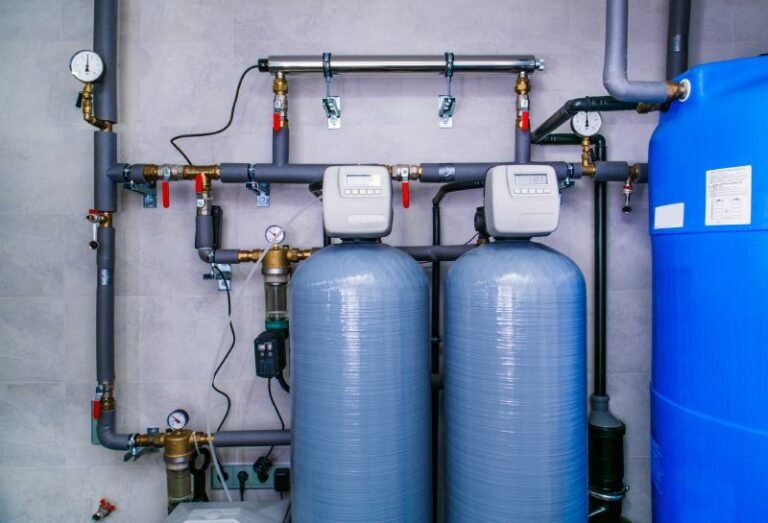
A restaurant may focus heavily on filtration and water softening for kitchen equipment. A manufacturing plant may require more specialized treatment for production processes. A hotel might prioritize consistent water quality throughout a large building.
The right system depends on the facility’s water source, usage, flow requirements, equipment, and operational goals.
Businesses should avoid choosing equipment simply because it has the newest features. Technology is useful when it solves a genuine problem.
A well-designed system should be capable of delivering the required treatment without adding unnecessary complexity.
Staff Training Still Matters
Even the most automated water system benefits from people who understand how it works.
Employees responsible for facility operations should know what normal system performance looks like. They should also recognize warning signs such as unusual pressure, leaks, strange odors, unexpected alarms, or sudden changes in water appearance.
Training doesn’t need to be complicated. A short guide explaining routine checks, emergency contacts, and basic troubleshooting can be surprisingly helpful.
When staff know what to look for, small problems are more likely to be noticed before they become expensive ones.
Planning for Long-Term Costs
Businesses should consider more than the initial price when investing in water treatment.
Operating expenses can include filter replacements, treatment chemicals or salt, energy consumption, water usage, professional servicing, monitoring equipment, and replacement components.
A system that costs less upfront may not be the most economical choice if it requires frequent maintenance. Likewise, an advanced system may not be worthwhile if the facility doesn’t need its additional capabilities.
The goal is long-term value: appropriate treatment, manageable maintenance, and predictable operating costs.
A Proactive Water Strategy Pays Off
Commercial water management doesn’t have to be complicated, but it does need attention.
Testing establishes a baseline. Appropriate treatment addresses identified concerns. Monitoring provides visibility, while maintenance keeps the system working properly. Staff training and good recordkeeping tie everything together.
Most importantly, businesses shouldn’t wait for a water-quality problem to force action.
A proactive strategy can help protect equipment, support compliance, improve operational consistency, and reduce unpleasant surprises.
Water may not be the most visible part of a business, but it touches more of the operation than many people realize. When it’s managed properly, it quietly supports everything else.
And in a busy commercial environment, that kind of reliability is worth a lot.