Every business creates waste, whether it is a small office with a few employees or a large company managing daily operations on a bigger scale. Packaging materials, paperwork, damaged products, food waste, and general trash are all part of running a business. The challenge is not avoiding waste completely — it is finding better ways to handle it.
A messy waste area can affect more than just appearance. It can influence employee comfort, customer impressions, workplace safety, and overall efficiency. On the other hand, a well-planned waste management system helps businesses stay organized while making responsible choices for the environment.
The right approach to waste is not about simply throwing things away. It is about creating a process that works smoothly behind the scenes and supports the success of the business.
Why Effective Waste Management Matters for Businesses
Many business owners focus heavily on sales, customer service, and daily operations, but waste management often receives less attention. However, poor waste handling can slowly create problems that become difficult to ignore.
Overflowing bins, inconsistent pickups, and cluttered disposal areas can make a workplace look unprofessional. Employees may spend unnecessary time dealing with waste-related issues instead of focusing on important tasks.
A strong waste management plan helps businesses avoid these challenges. It creates a clear system for collecting, sorting, and removing unwanted materials while keeping the workplace clean and efficient.
Professional business waste solutions allow companies to manage their waste needs with less stress. Instead of handling everything manually or reacting when problems appear, businesses can follow a reliable process designed around their specific requirements.
Understanding Different Business Waste Challenges
Every business produces different types of waste. A restaurant may deal with food scraps and packaging, while an office may create paper waste, electronics, and everyday trash. Retail stores often manage cardboard, damaged inventory, and shipping materials.
Because waste types vary, businesses need solutions that match their industry. A one-size-fits-all approach rarely works well.
Understanding what materials are being discarded is the first step toward improvement. Companies can identify recyclable items, reduce unnecessary waste, and create better disposal routines.
Even small changes can have a noticeable impact. Reducing excess packaging, reusing supplies, and encouraging employees to think before throwing items away can help businesses become more efficient.
The Importance of Reliable Commercial Waste Pickup
Consistency is one of the biggest factors in successful waste management. A business cannot operate smoothly if waste removal is unpredictable or unreliable.
Regular collection prevents waste from piling up and keeps workspaces cleaner. It also helps companies maintain a professional appearance for customers, visitors, and employees.
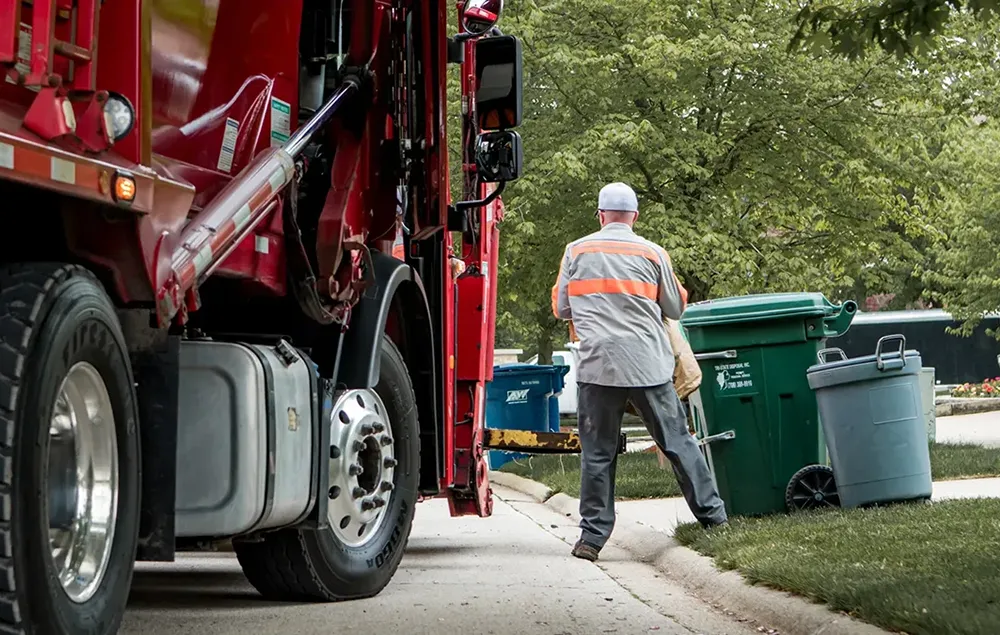
For many organizations, commercial garbage pickup provides the dependable schedule needed to manage daily waste effectively. With proper planning, businesses can ensure materials are removed on time without interrupting normal operations.
A reliable pickup service also reduces the burden on employees. Instead of worrying about transportation, disposal locations, or overflowing containers, teams can focus on their primary responsibilities.
How Dumpster Services Help With Larger Projects
Some business situations create more waste than normal daily operations. Office relocations, renovations, construction projects, seasonal cleanouts, and inventory changes can generate large amounts of unwanted materials.
In these cases, standard waste collection may not be enough. Businesses need a temporary solution that can handle increased waste volume.
Professional dumpster services provide a convenient option for these situations. They give businesses a dedicated space to collect materials during major projects and help keep the property organized.
Choosing the correct dumpster size is important. A container that is too small may require additional pickups, while an oversized option may create unnecessary expenses. Planning based on project needs ensures better results.
Supporting Environmental Responsibility
Businesses today are becoming more aware of their environmental impact. Customers and employees increasingly appreciate companies that take sustainability seriously.
Responsible waste management helps reduce landfill pressure and encourages better resource use. Recycling materials, reducing unnecessary waste, and choosing environmentally conscious disposal methods all contribute to a healthier planet.
Sustainable practices can also improve a company’s reputation. A business that demonstrates genuine environmental responsibility often builds stronger relationships with its community.
The goal is not perfection. It is progress. Small improvements made consistently can create meaningful results over time.
Creating a Cleaner and More Productive Workplace
A clean workplace is more than just visually appealing. It creates a better environment where employees feel comfortable and productive.
Waste management systems should be simple enough that employees can follow them easily. Clear disposal areas, proper labeling, and regular maintenance make the process much smoother.
When businesses create a culture of cleanliness, everyone benefits. Employees understand their role, waste is controlled, and the workplace becomes more organized.
Good waste practices also show attention to detail. A company that takes care of its environment often reflects the same care in its products and services.
Choosing the Right Waste Management Partner
Selecting the right waste provider is an important decision for any business. Companies should consider factors such as reliability, service options, flexibility, and experience.
The best waste solutions are those that adapt to changing business needs. A growing company may require different services over time, and having a flexible partner makes future adjustments easier.
Communication also matters. A good provider understands the challenges businesses face and works to create practical solutions rather than offering generic services.
Building Better Business Practices for the Future
Waste management may happen behind the scenes, but its impact is visible everywhere. Cleaner workplaces, improved efficiency, and responsible environmental practices all begin with better waste decisions.
Businesses that invest in proper waste solutions create benefits that go beyond simple disposal. They build stronger operations, support sustainability, and provide better environments for employees and customers.
The future of business waste management is about working smarter, not harder. With thoughtful planning and reliable support, companies can turn waste management from a challenge into an opportunity for improvement.