Hot water is one of those household conveniences you only really notice when it isn’t there. A cold shower on a busy morning, a dishwasher waiting for hot water, or a heater that takes forever to recover can turn a normal day into a frustrating one.
Choosing the right water-heating system isn’t only about getting hotter water. The type of heater, how it is sized, how often it is used, and how well it is maintained can all affect comfort, operating costs, and equipment performance. A little planning at the beginning can make a surprising difference over the years.
Why Equipment Quality Matters
A water heater works hard behind the scenes. Depending on the property, it may operate several times a day or almost continuously.
That constant use means equipment quality matters. A properly installed and maintained system can provide consistent hot water while reducing unnecessary strain on its components.
Over time, this can contribute to a Longer Equipment Lifespan. It doesn’t mean the heater will last forever, of course. Every system eventually needs repair or replacement. But keeping mineral buildup under control, maintaining the components, and operating the heater within its intended capacity can help it perform reliably for longer.
That’s especially important when replacement isn’t cheap.
Understanding Standby Energy Loss
Traditional storage water heaters keep a tank of water hot even when nobody is using it. That convenience comes with a tradeoff.
Some heat naturally escapes from the tank into the surrounding space. The heater then has to turn back on periodically to maintain the desired temperature. This is known as standby heat loss.
Modern insulation can reduce this loss, but it can’t eliminate it entirely.
Tankless water heaters approach the problem differently by heating water when it is needed. Because there isn’t a large tank sitting full of hot water all day, these systems can reduce Reduced Standby Energy Loss compared with conventional storage systems in appropriate applications.
Actual energy savings depend on the equipment, household habits, climate, fuel type, and water usage, so it’s best not to assume every installation will produce the same result.
Sizing the System Correctly
One of the most common mistakes people make is choosing a water heater based only on tank size or price.
The system needs to match the property’s actual Hot water demand. A small household with one bathroom may have very different requirements from a large family with several bathrooms.
Commercial properties have even more variation. Restaurants, hotels, laundries, gyms, and healthcare facilities can experience periods of extremely high water consumption.
If a system is too small, users may run out of hot water or experience poor recovery. If it’s much larger than necessary, the initial cost and operating requirements may be unnecessarily high.
Proper sizing is a simple step, but it can prevent a lot of frustration.
Tankless Systems Have Their Advantages
Tankless water heaters have become popular partly because of their compact design and on-demand operation.
Instead of storing a large quantity of heated water, the system heats water as it passes through the unit. This can provide a continuous supply as long as the unit is correctly sized for the flow and temperature requirements.
They can also free up valuable floor space. In smaller homes, apartments, and utility areas, that can be a genuine advantage.
However, tankless systems aren’t perfect for every property. They may have higher installation costs, specific electrical or gas requirements, and maintenance needs that should be considered before making the switch.
Hard Water Can Affect Performance
Water chemistry deserves attention when choosing and maintaining a heater.
Hard water contains minerals such as calcium and magnesium. When water is heated, these minerals can form deposits inside equipment.
Over time, scale can build up around heating elements or heat exchangers. This can reduce efficiency and may contribute to premature component wear.
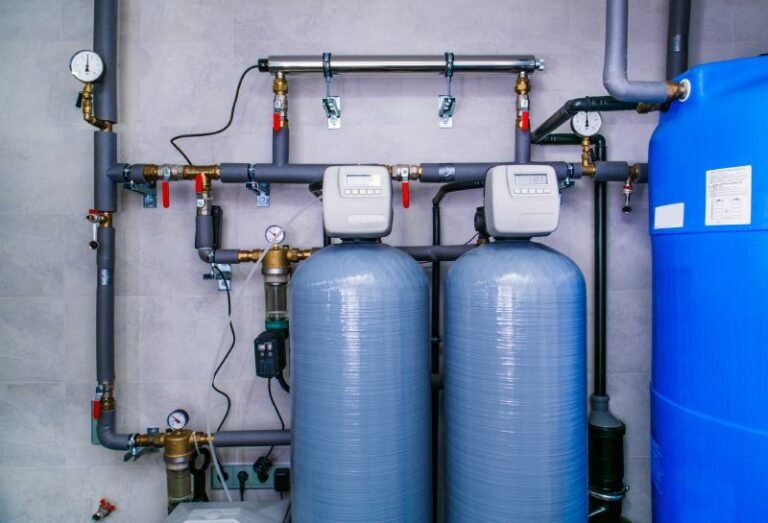
If you live in an area with hard water, regular inspection and appropriate treatment may help protect the water heater. A water softener or other treatment system might be useful, depending on the actual water conditions.
Testing is the sensible place to start.
Maintenance Is Worth the Effort
Nobody enjoys scheduling maintenance, especially when the equipment seems to be working perfectly.
Still, routine care can catch small problems before they become major ones.
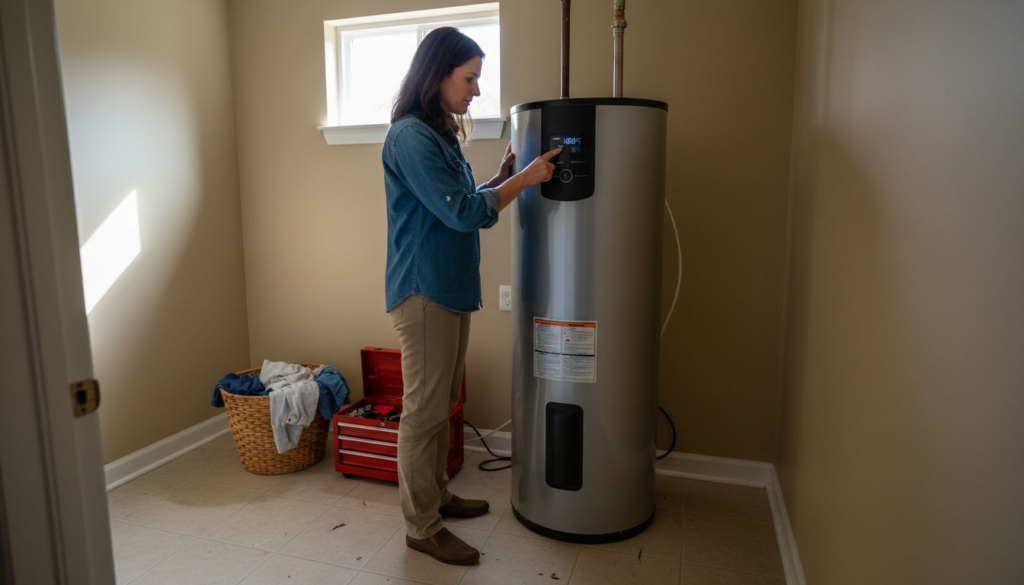
Depending on the heater type, maintenance may include checking connections, inspecting valves, flushing the system, removing mineral deposits, testing safety components, or replacing worn parts.
Tankless systems may need periodic descaling, while conventional tanks may benefit from flushing to reduce sediment accumulation.
The exact requirements vary, so follow the manufacturer’s recommendations and don’t ignore unusual noises, leaks, temperature changes, or declining performance.
Don’t Forget About Installation
Even an excellent water heater can perform poorly if it is installed incorrectly.
The installer needs to consider water pressure, plumbing connections, fuel supply, electrical capacity, ventilation, drainage, and local requirements.
For gas-powered equipment, proper venting is especially important. Electric systems may require substantial electrical capacity depending on their design.
This isn’t really an area where cutting corners makes sense. A professional installation can help ensure the equipment operates safely and according to its specifications.
Compare More Than the Purchase Price
When choosing a water heater, the sticker price is only one part of the calculation.
Consider installation costs, expected energy use, maintenance requirements, replacement parts, warranty coverage, and the anticipated service life of the equipment.
A cheaper heater that requires frequent repairs may ultimately cost more than a higher-quality system that operates reliably for years.
Likewise, expensive technology isn’t automatically the best choice. The right system is the one that fits your property and usage pattern.
Think About the Future
Your water needs may change.
A growing family may use more hot water. A home renovation could add another bathroom. A business may expand its operating hours or increase production.
Choosing a system with some flexibility can prevent you from facing another major upgrade sooner than expected.
It’s worth discussing future plans with an experienced installer before making a decision. Sometimes a small adjustment during installation can make the system much more adaptable later.
Making Hot Water Work Smarter
A good water-heating system should make everyday life easier without demanding constant attention.
The right equipment, proper sizing, thoughtful installation, regular maintenance, and attention to water quality all contribute to better performance. Energy efficiency matters, but so do reliability, comfort, repair costs, and long-term value.
There isn’t one perfect heater for every home or business. What works beautifully for one property may be completely wrong for another.
Take the time to understand your water use, consider the condition of your existing equipment, and look beyond the initial purchase price. A well-chosen system can provide dependable hot water for years while helping you avoid the little problems that have a way of becoming big ones when ignored.