Good Water Quietly Improves Everyday Life
Most people rarely stop to think about water until something changes. One day your coffee tastes a little strange, soap doesn’t rinse away as easily, or white spots begin covering freshly washed dishes. Maybe your water heater starts making odd noises, or faucets develop stubborn mineral stains that seem impossible to scrub away.
It’s funny how quickly we notice water when it isn’t behaving the way we expect.
The truth is, water influences far more than drinking. It affects cooking, cleaning, plumbing, appliances, heating systems, and even the amount of time we spend maintaining our homes or businesses. That’s why improving water quality isn’t simply about convenience. It’s about protecting the things we rely on every day while making life a little easier in ways we often don’t appreciate until they’re gone.
Every Property Has Different Water Challenges
One of the biggest misconceptions about water treatment is that every home or business needs the same equipment.
That couldn’t be further from reality.
A home supplied by municipal water may primarily struggle with chlorine taste and odor. A rural property using a private well might experience hard water, iron, sulfur, sediment, or naturally occurring bacteria. Commercial facilities often face an entirely different set of challenges depending on how water is used throughout the operation.
Because water conditions vary so much, successful treatment always begins with understanding the source rather than assuming one solution fits everyone.
Testing first usually saves both money and frustration later.
Understanding What Your Water Really Needs
Clear water doesn’t automatically mean clean water.
Some minerals leave obvious stains or unpleasant tastes, while other contaminants remain completely invisible. That’s why professional testing remains one of the smartest first steps before purchasing any equipment.
Knowing the mineral content, hardness level, pH balance, and overall water chemistry allows professionals to recommend water treatment systems designed around actual conditions instead of guesswork.
Some homes only require softening.
Others benefit from activated carbon filtration.
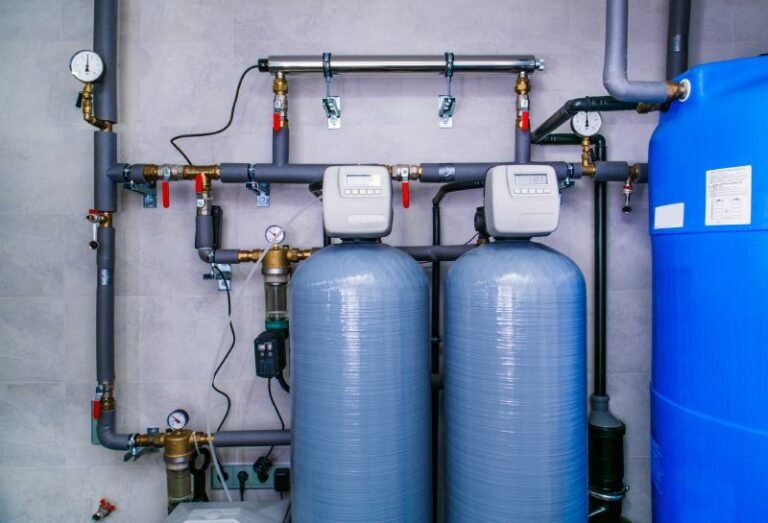
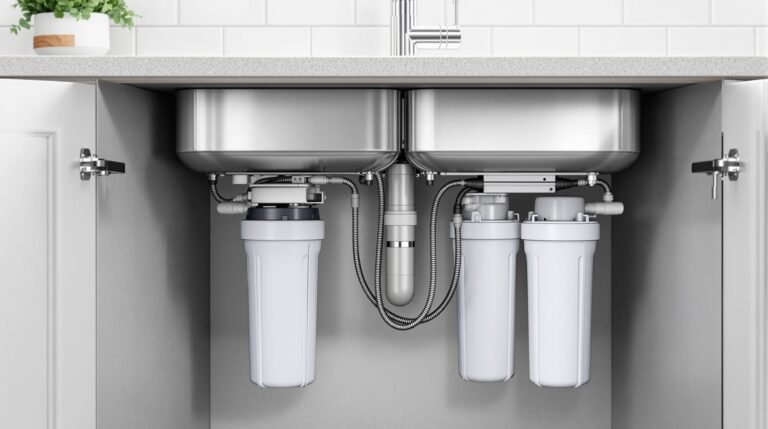
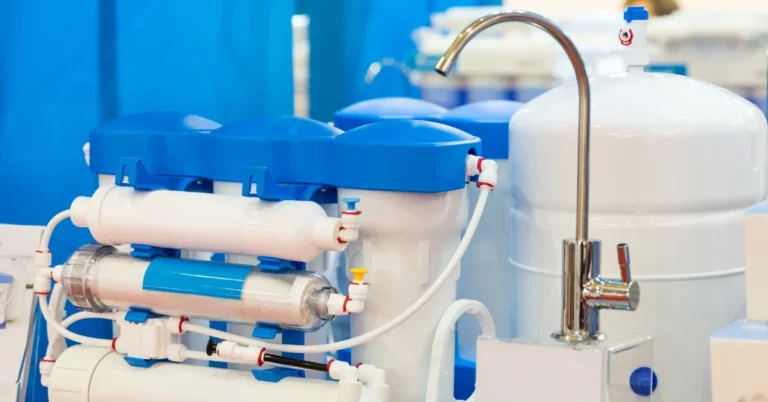
Certain properties need reverse osmosis, ultraviolet purification, sediment filtration, or a combination of technologies working together.
The best system isn’t the biggest one.
It’s the one that solves the right problems.
Better Water Protects More Than Drinking Glasses
People often think about cleaner drinking water first.
While that’s certainly important, the benefits extend much further throughout a property.
Hard water minerals gradually accumulate inside plumbing pipes, water heaters, dishwashers, washing machines, coffee makers, and countless other appliances. Scale buildup reduces efficiency, increases energy consumption, and shortens equipment life over time.
Improving water quality quietly reduces these hidden problems while making routine cleaning noticeably easier.
Shower doors stay cleaner.
Soap works better.
Laundry feels softer.
Glassware sparkles.
Little improvements like these add up remarkably quickly.
Protecting Equipment Saves Money Over Time
Replacing appliances isn’t cheap.
Neither are plumbing repairs caused by years of mineral buildup or sediment accumulation.
That’s why equipment protection is one of the biggest long-term benefits of effective water treatment. Cleaner water allows heating elements, valves, pumps, fixtures, and internal plumbing components to operate under less strain.
The result isn’t just fewer repair bills.
Equipment often lasts longer, performs more efficiently, and requires less maintenance throughout its lifespan.
It’s one of those investments where the savings quietly accumulate in the background rather than appearing all at once.
One Solution Doesn’t Fit Every Situation
Imagine walking into a shoe store where every customer received exactly the same size.
It obviously wouldn’t work.
Water treatment follows a similar principle.
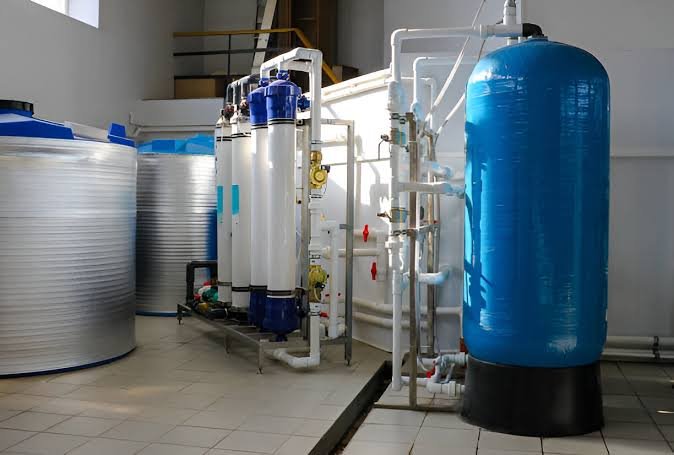
A family of two living in a small home has very different water demands than a restaurant, manufacturing facility, large household, or agricultural property. Even neighboring homes supplied by separate wells frequently require different treatment approaches because underground water conditions naturally vary.
That’s exactly why tailored water solutions consistently outperform generic recommendations.
By considering water chemistry, daily usage, plumbing design, household size, and future needs, professionals can recommend systems that provide dependable performance without unnecessary complexity.
Customization creates efficiency.
Guesswork usually creates disappointment.
Maintenance Matters More Than Many People Realize
Installing quality equipment isn’t really the finish line.
Water treatment systems continue working every day, processing hundreds or even thousands of gallons over time. Naturally, filters become saturated, membranes gradually wear, valves experience normal mechanical movement, and certain components eventually require replacement.
Routine maintenance helps preserve efficiency while extending equipment life.
Fortunately, maintenance isn’t usually difficult.
Replacing filters on schedule, inspecting system performance annually, monitoring water quality, and addressing small concerns before they become larger problems keeps everything operating smoothly.
Preventive care almost always proves less expensive than emergency repairs.
Water Quality Changes Over Time
Another common assumption is that water remains exactly the same year after year.
In reality, water conditions naturally evolve.
Seasonal rainfall, groundwater movement, municipal treatment updates, nearby construction, and aging infrastructure all influence water quality in subtle ways.
These changes don’t necessarily require entirely new equipment, but they may justify adjustments, updated filtration, or routine testing to confirm the existing system continues meeting current needs.
Periodic evaluations help homeowners and business owners stay ahead of changing conditions rather than reacting after noticeable problems develop.
Professional Guidance Makes Better Decisions Easier
The internet offers endless advice about water treatment.
Some recommendations are excellent.
Others are based on assumptions rather than actual water analysis.
Working with experienced professionals removes much of that uncertainty.
Instead of recommending equipment based solely on popular trends, knowledgeable technicians evaluate the specific characteristics of your water, explain available treatment options, and help prioritize solutions based on practical needs and long-term value.
That personalized guidance often prevents unnecessary purchases while ensuring every investment contributes meaningfully to improved water quality.
Sometimes expert advice saves more money than the equipment itself.
Better Water Is a Long-Term Investment
Water quietly influences almost every part of daily life.
It supports cooking, cleaning, bathing, heating, laundry, drinking, and countless household or business activities that most of us hardly think about until something changes. Investing in better water isn’t simply about solving today’s inconvenience. It’s about creating lasting improvements that continue delivering value for years.
Cleaner water protects plumbing, preserves expensive appliances, improves efficiency, enhances comfort, and reduces maintenance across an entire property. Those benefits may seem small individually, but together they create meaningful long-term savings and a noticeably better everyday experience.
Perhaps that’s the most interesting thing about a well-designed water treatment system. When it’s working properly, you rarely think about it at all. You simply enjoy better-tasting water, cleaner fixtures, longer-lasting equipment, and the confidence that every tap is delivering dependable quality.
In the end, that’s exactly what good water treatment should do—work quietly in the background while making everyday life just a little bit better, one glass of water at a time.