A storm can pass through a neighborhood in less than an hour, leaving homeowners with problems that take days or weeks to sort out. A few branches may be scattered across the yard, gutters might be hanging loose, or shingles may have disappeared from the roof altogether. Sometimes, everything looks fine from the driveway, yet a small leak appears after the next rainfall.
It’s easy to put these things off, especially when life is already busy. But damage to a roof rarely improves simply because it’s ignored. Knowing what to look for, when to call a professional, and how to approach repairs can help protect your home without creating unnecessary stress.
Understanding What a Storm Can Do to Your Roof
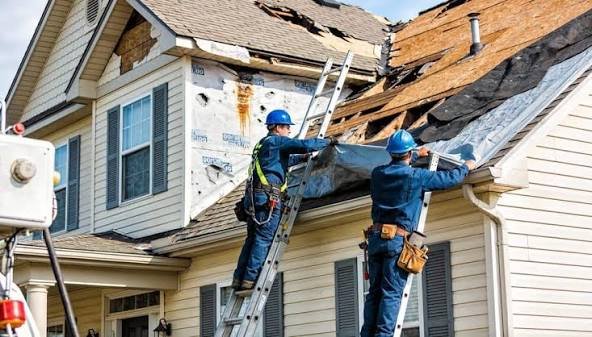
Different weather conditions create different roofing problems. Strong winds can lift shingles, loosen ridge caps, and damage flashing around roof edges. Hail may leave dents or weaken roofing materials, while heavy rain can expose existing weaknesses around vents, chimneys, and other roof penetrations. Falling branches can cause more obvious damage, including broken shingles or punctures in the roof surface.
The effects aren’t always visible right away. Water may enter through a small opening and travel along the roof decking or framing before reaching a ceiling. By the time a brown stain appears indoors, the original entry point may be several feet away. That’s one reason a quick look from the ground, while useful, cannot always tell the full story.
Homeowners should also pay attention to gutters and downspouts. If a storm fills them with leaves and debris, water may overflow and collect near exterior walls or the foundation. A roofing system works best when every part, from the surface materials to the drainage system, is doing its job.
What to Do Immediately After Severe Weather
Safety comes first. Before inspecting the property, make sure the weather has settled and there are no immediate hazards. Stay clear of downed power lines, unstable trees, and damaged electrical equipment. Avoid climbing onto the roof, especially if it is wet or you suspect the structure may be weakened.
From a safe position, look for missing shingles, loose metal flashing, broken branches, damaged gutters, and debris around the roofline. Inside the house, check ceilings and upper walls for damp spots, discoloration, or peeling paint. If you can safely access the attic, look for visible moisture or unusual daylight coming through the roof structure.
Take photographs of anything concerning. These images can help explain the problem to a roofing contractor and may be useful when documenting an insurance claim. Write down when the storm occurred and when you noticed the damage. Small details are easy to forget once repair work gets underway.
If water is actively entering the home, move furniture and belongings away from the affected area if it is safe. Place a container beneath a manageable drip, but don’t touch sagging ceilings or enter areas where water may have reached electrical wiring. Significant leaks or structural concerns need prompt professional attention.
Why Prompt Repairs Matter
A damaged shingle may not look like an emergency, but it can create an opening for moisture. Water that reaches insulation or wooden roof decking can weaken materials over time. Damp areas may also encourage mold growth, particularly when ventilation is poor and moisture remains trapped.
Timely storm damage repair helps address these vulnerabilities before they develop into more extensive problems. The right solution depends on what the inspection reveals. A few displaced shingles might need localized work, while damage affecting several roof sections could require a more comprehensive repair. If the underlying decking has deteriorated, simply covering the surface may not solve the problem.
Speed matters, but so does accuracy. Temporary protection may be necessary to keep additional rain out while permanent work is arranged. A qualified contractor should explain what needs immediate attention and what can reasonably wait. That way, homeowners can prioritize safety and weather protection without feeling pressured into decisions they don’t understand.
Choosing a Contractor You Can Trust
After a major storm, homeowners may hear from contractors offering quick inspections or immediate repairs. Some are experienced professionals, while others may use urgency to push people into signing agreements before they have time to think.
Take a moment to check the contractor’s credentials, insurance, references, and experience with the type of roofing installed on your home. Ask for a written estimate and a clear description of the proposed work. You should understand which materials will be used, what the project includes, and how unexpected damage will be handled.
A reliable contractor will explain the findings in straightforward language. If a roof needs replacement rather than repair, ask for the reasons behind that recommendation. If a smaller fix is suitable, the contractor should be able to explain that option as well.
Communication matters throughout the project. Ask who will supervise the work, how long it may take, and what happens if the weather changes. Roofing projects are sometimes delayed by rain or strong winds, and a professional should be willing to discuss realistic timelines rather than promise a schedule that cannot be guaranteed.
When Is Roof Repair Enough?
Not every storm means a homeowner needs a new roof. In many cases, roof repair can restore protection when the damage is limited and the surrounding materials remain in good condition. Replacing missing shingles, securing loose flashing, or correcting a small leak may be enough to address the immediate problem.
However, the roof’s age and maintenance history should also be considered. If leaks keep returning, shingles are deteriorating across large areas, or previous repairs have failed repeatedly, a broader solution may be worth discussing. The goal is to avoid spending money on temporary fixes when they are unlikely to provide lasting protection.
Ask the contractor to distinguish between visible damage and any underlying issues discovered during the inspection. A written scope of work can help prevent confusion and gives you a record of what has been agreed upon.
Understanding Costs and Insurance
Repair costs vary according to the size of the affected area, roofing material, roof pitch, accessibility, and extent of hidden damage. A small repair may be relatively straightforward, while replacing damaged decking or addressing interior water damage can increase the total cost.
If you plan to file an insurance claim, contact your insurer to understand the policy requirements and documentation needed. Coverage depends on the terms of the policy and the circumstances of the damage. Keep photographs, inspection reports, estimates, invoices, and related correspondence together so they’re easy to find.
Compare estimates carefully. A low quote may not include necessary preparation, disposal, or replacement of damaged materials. Look at the full scope of work rather than choosing solely on price. Clear expectations at the beginning can prevent disagreements later.
Preparing for the Next Storm
Although no maintenance routine can prevent every weather-related problem, a little preparation can reduce avoidable risks. Keep gutters clear, trim branches that hang over the roof, and arrange periodic inspections, especially if the roof is older. Check for recurring leaks or loose materials before severe weather arrives rather than waiting for the next storm to reveal them.
If your home has already experienced storm damage, pay attention to areas that have needed repairs before. Recurring trouble may indicate an underlying weakness that deserves closer attention. Keep records of previous work and ask your contractor whether any part of the roof should be monitored over time.
A roof is easy to take for granted when it’s doing its job. After severe weather, though, a careful inspection and sensible repair plan can make a real difference. Acting promptly, asking informed questions, and choosing qualified professionals help protect not just the roof itself, but everything beneath it. And that’s what matters most: a home that remains safe, dry, and ready for whatever weather comes next.