

Most of us don’t spend much time thinking about the water flowing through our homes. It’s simply there when we need it—filling the coffee pot before sunrise, rinsing vegetables for dinner, running through the washing machine, or making a hot shower feel like the best part of a long day.
Then, little things begin to change.
The sink develops orange marks that seem impossible to scrub away. White shirts come out of the laundry looking slightly discolored, or your tap water has a faint metallic taste you never noticed before. None of these problems usually appear overnight, which is why they’re easy to ignore.
But water has a way of leaving clues.
For many homeowners, especially those using private wells, excess iron is one of the most common water quality concerns. While it’s not always considered a serious health issue, it can create ongoing frustration, increase maintenance, and gradually affect the comfort of everyday life.
Where Does Iron Come From?
Iron is one of the most abundant natural elements found in soil and rock.
As groundwater travels underground, it dissolves small amounts of naturally occurring minerals before eventually reaching private wells. Municipal systems can also experience iron-related issues because of aging infrastructure or corrosion inside older distribution pipes.
That means two homes located only a few miles apart may experience completely different water quality.
Some households never encounter iron at all.
Others deal with it almost every day.
Understanding your own water is always more valuable than assuming every property has the same conditions.
The Signs Usually Start Small
Water quality issues rarely announce themselves dramatically.
Instead, they tend to build slowly.
Your coffee tastes slightly different. Faucets begin collecting orange deposits, or the washing machine seems to require extra cleaning. At first, it’s easy to blame the appliances themselves.
Often, though, the real source is iron and rust circulating through the home’s water supply.
These minerals may not always affect safety, but they certainly influence appearance, taste, cleaning routines, and appliance performance.
Recognizing the signs early can save both time and frustration later.
More Than Just Cosmetic Problems
Many homeowners assume iron only creates discoloration.
In reality, it can affect much more.
Iron deposits gradually accumulate inside plumbing fixtures, clog faucet aerators, reduce water flow, and contribute to wear inside household appliances. Water heaters, dishwashers, washing machines, and ice makers all perform better when excess iron is kept under control.
Over time, even relatively small amounts of iron can increase maintenance requirements throughout the home.
That’s why addressing the source instead of simply cleaning the symptoms usually provides better long-term results.
Why Testing Comes Before Treatment
One mistake homeowners sometimes make is purchasing filtration equipment before understanding what’s actually in their water.
Iron exists in several forms, and different treatment methods work better for different conditions.
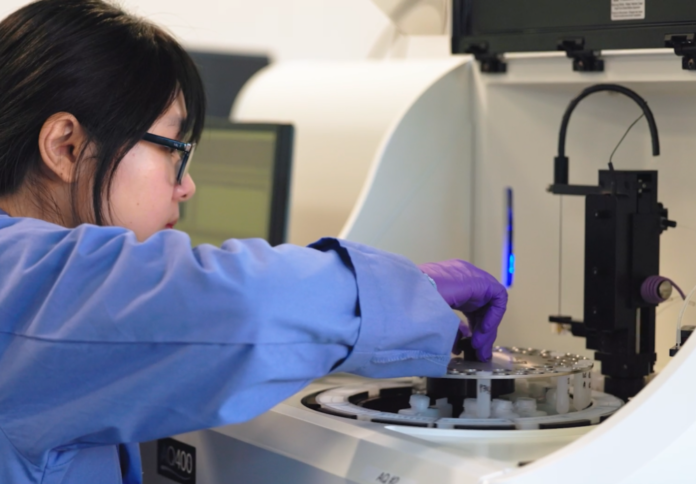
Professional water testing identifies iron concentration, water hardness, pH balance, manganese, sulfur, and other characteristics that influence treatment selection.
Instead of guessing, homeowners receive recommendations based on measurable facts.
That approach almost always produces better results while preventing unnecessary spending on equipment that may not solve the real issue.
Choosing the Right Equipment Matters
Not every filtration system is designed to remove iron effectively.
Some filters improve taste or odor without addressing dissolved minerals at all.
Specialized iron removal systems are designed specifically to reduce excess iron before it reaches faucets, showers, and household appliances. Depending on the chemistry of the water, these systems may use oxidation, filtration media, or other technologies tailored to the home’s unique conditions.
Choosing equipment based on professional testing rather than assumptions helps ensure reliable long-term performance.
One size rarely fits every household.
Everyday Comfort Improves in Surprising Ways
Once excess iron is reduced, homeowners often notice improvements they weren’t expecting.
Coffee develops a cleaner flavor.
Laundry stays brighter.
Fixtures require less scrubbing, and shower walls remain cleaner for longer. Household cleaning simply becomes easier because unwanted mineral deposits are no longer constantly reappearing.
These changes don’t happen because life suddenly becomes perfect.
They happen because good water quietly supports everyday routines instead of creating extra work.
Sometimes the smallest improvements make the biggest difference.
Protecting Fixtures and Surfaces
One of the most frustrating consequences of excess iron is dealing with stubborn rust stains around sinks, toilets, bathtubs, and outdoor fixtures.
These stains often return shortly after cleaning, making homeowners feel like they’re constantly repeating the same chore.
Treating the water itself addresses the source of the problem rather than temporarily removing visible discoloration.
That means less scrubbing, reduced use of harsh cleaning chemicals, and surfaces that stay looking cleaner between routine maintenance.
It’s a simple improvement that saves both effort and time.
Maintenance Keeps Treatment Systems Working Properly
Installing treatment equipment is only the first step.
Like any important home system, iron filtration equipment benefits from routine maintenance. Filters require replacement, treatment media eventually reaches capacity, and periodic inspections help ensure consistent performance year after year.
Fortunately, modern systems are designed to make maintenance relatively simple.
Following recommended service schedules protects both the equipment itself and the quality of water flowing throughout your home.
Better Water Protects Your Investment
Household appliances represent a significant investment.
Water heaters, washing machines, dishwashers, refrigerators, and plumbing fixtures all last longer when they’re protected from unnecessary mineral buildup.
Treating iron early helps reduce wear while improving energy efficiency and lowering maintenance costs over time.
Instead of reacting to repeated repairs, homeowners create a more reliable and efficient plumbing system from the start.
That’s an investment that continues paying dividends long after installation.
Better Water Makes Everyday Life Easier
Improving water quality isn’t about chasing perfection.
It’s about removing small frustrations that slowly become part of everyday life.
When iron is properly managed, dishes stay cleaner, laundry looks brighter, plumbing performs more efficiently, and household cleaning becomes noticeably easier. More importantly, homeowners gain confidence knowing their water is supporting—not working against—their home.
Every glass of water, every load of laundry, every shower, and every meal prepared depends on the quality of the water flowing through your pipes.
Taking the time to understand that water and choose the right treatment doesn’t simply improve plumbing. It improves daily living in quiet, meaningful ways that continue adding value for years to come.