Office hydration sounds like a small thing until it starts getting in the way. A bottle runs empty during a meeting day. Someone has to drag a heavy replacement from storage. Empty jugs sit beside the cooler like forgotten furniture. Then there’s the ordering, the deliveries, the plastic, and that one corner of the breakroom that somehow turns into a bottle warehouse.
For a modern workplace, that setup can feel a bit tired. People still need clean, good-tasting water, of course. But the old routine of storing and swapping big bottles is not the only option anymore. Many businesses are looking for simpler systems that keep water available without all the extra handling.
Why Bottle-Free Systems Make Sense
Traditional bottled coolers served offices for years, and they still exist for a reason. But they come with a list of small headaches: lifting, storing, scheduling deliveries, managing empties, and dealing with surprise shortages. It’s not one huge problem. It’s more like a dozen little ones that keep repeating.
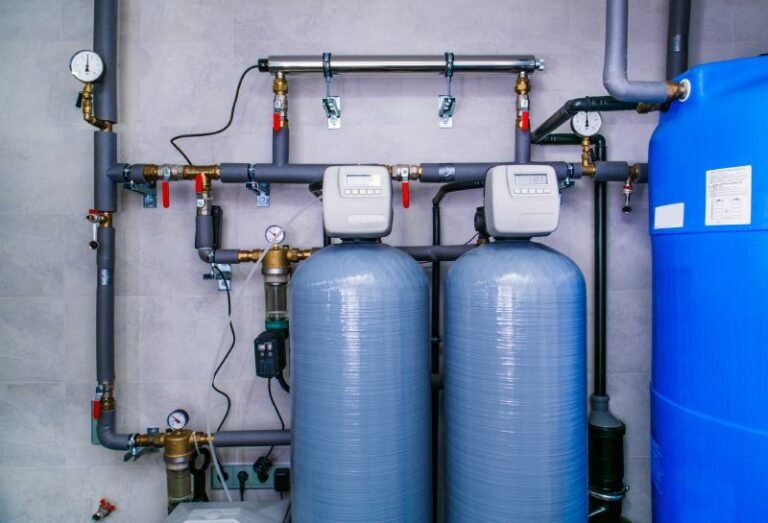
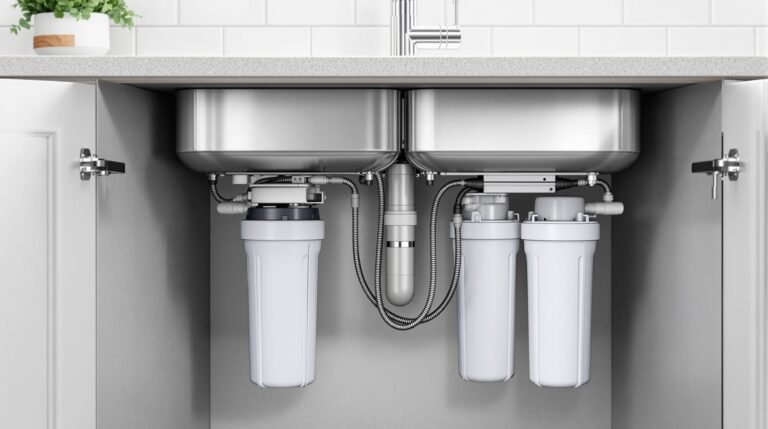
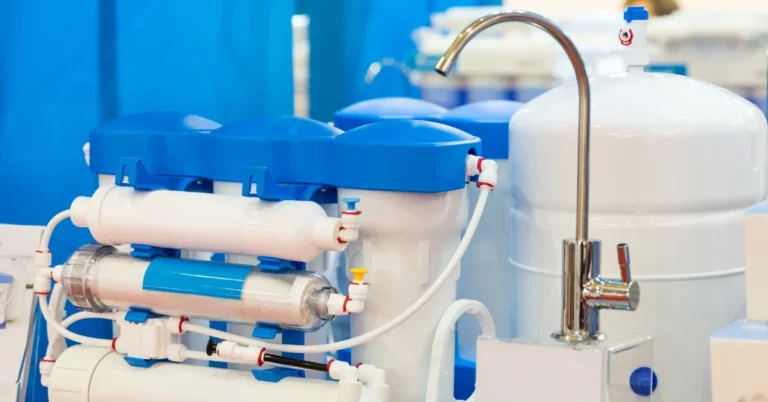
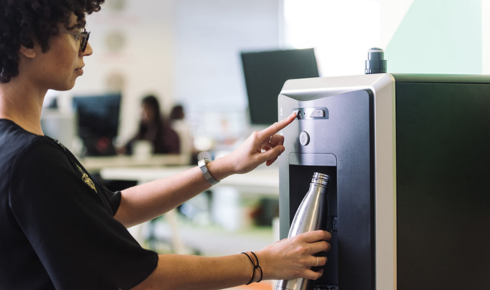
That’s where bottle-free water dispensers can make daily office life easier. These systems connect directly to a building’s water supply and use built-in filtration to provide fresh drinking water on demand. No large plastic jugs. No heavy lifting. No awkward “who’s changing the bottle?” moment in the breakroom.
Better Water Supports Better Workdays
People do better when basic comforts are easy. Clean drinking water should not require effort. When employees can quickly refill a bottle, make tea, or grab a cold cup of water between calls, the workplace feels more thoughtful and better organized.
Good water also affects office coffee, instant drinks, and client hospitality. If tap water tastes like chlorine or has a flat, unpleasant flavor, people notice. Filtered water can make the breakroom feel more polished, even if nothing else changes. Sometimes the smallest upgrades get used the most.
A More Sustainable Office Habit
Businesses are under more pressure than ever to reduce waste, but sustainability does not always need to be complicated. A better water system can be one of those practical changes that makes sense both environmentally and operationally.
With eco-friendly hydration, offices can cut back on plastic bottles, reduce water jug deliveries, and lower the clutter tied to bottled cooler service. It is not about making a dramatic statement. It is about replacing an outdated habit with something cleaner, simpler, and easier to maintain.
Matching the System to the Workplace
Not every office needs the same setup. A small professional office may only need one compact dispenser in the breakroom. A larger building may need multiple units across floors, meeting areas, or employee lounges. A gym, warehouse, clinic, school, dealership, or call center may have completely different water demand.
That is why planning matters. Before choosing a dispenser, businesses should consider daily usage, employee count, visitor traffic, available plumbing, space, hot and cold water needs, and maintenance expectations. A unit that works beautifully for ten people may feel slow and undersized for a staff of fifty.
Commercial Needs Require Practical Planning
Good commercial water solutions should be built around reliability. In a busy workplace, water equipment has to handle repeated use without becoming a daily maintenance issue. Capacity, filtration quality, service access, and installation location all matter.
For customer-facing businesses, the experience matters too. A clean, modern water station sends a better message than stacks of half-empty bottles or a cooler that looks like nobody wants to touch it. Employees may not talk about it much, but they absolutely notice when the water is convenient, fresh, and consistently available.
Installation Should Be Done Properly
A bottle-free dispenser usually needs a connection to the water line. Depending on the model, it may also require electrical access, proper placement, and enough clearance for filter changes. Professional installation helps prevent leaks, poor water flow, and awkward setup issues.
Placement is worth thinking through. A dispenser should be easy to reach but not in the way. It should support normal foot traffic, not create a crowd near a doorway or copy machine. In larger offices, multiple smaller stations may work better than one central unit everyone has to walk to.
Maintenance Keeps the Water Fresh
Like any filtration system, bottle-free dispensers need care. Filters must be replaced on schedule, the unit should be cleaned, and performance should be checked periodically. A service plan can make this simple, especially for offices where nobody wants to keep track of filter dates.
Skipping maintenance can affect taste, flow, and overall confidence in the system. If people stop trusting the water station, they go back to bottled drinks, and the whole purpose of the upgrade gets lost.
Cost Is More Than the Monthly Bill
When comparing options, businesses should look beyond the obvious monthly rental or purchase price. Bottled water coolers often carry hidden costs in deliveries, storage, employee time, bottle deposits, and waste management. A bottle-free system may reduce many of those recurring hassles.
Over time, the value is not just financial. It is also about convenience, less clutter, better employee experience, and fewer interruptions.
A Small Change That Feels Surprisingly Useful
Office water does not need to be complicated. It should be clean, easy to access, and simple to maintain. When a bottle-free system is chosen well and serviced properly, it becomes one of those quiet workplace upgrades people use every day without thinking too much about it.
No heavy jugs. No delivery pileups. No last bottle disappearing before lunch. Just fresh water when people need it — which, honestly, is how workplace hydration should have worked all along.