Clear water has a way of making us feel safe. You fill a glass, hold it up for a second, and if it looks clean, your brain says, “Good enough.” Most of the time, that’s fair. But when water starts looking cloudy, gritty, or slightly dull, it’s hard not to wonder what’s floating around in there.
A little haze in the water may not seem like a huge problem at first. Maybe you notice it only after heavy rain. Maybe it shows up when you first turn on the tap in the morning. Or maybe it’s been there so long that everyone in the house has sort of accepted it. Still, cloudy or particle-filled water is usually trying to tell you something. And it’s worth listening before small annoyances turn into plumbing trouble.
What Makes Water Look Gritty or Cloudy?
In many homes, especially those using private wells, sand and silt can enter the water supply through the ground, well casing, pump system, or nearby soil movement. These materials are tiny, but they can be surprisingly noticeable once they collect in sinks, tubs, toilet tanks, or appliance filters.
Sometimes the issue appears suddenly after storms or flooding. Other times, it builds slowly as a well ages or as groundwater conditions shift. City water can also carry fine particles when public water lines are flushed, repaired, or disturbed by construction. If the problem keeps returning, it’s usually not just a one-time thing.
The frustrating part is that these particles don’t always stay visible. Some settle at the bottom of a glass. Some pass through and collect in plumbing. Some make water look hazy without obvious dirt floating around.
Your Fixtures Often Notice First
One of the first signs of particle problems is usually found around the home, not in the glass. Faucet aerators clog more often. Showerheads spray unevenly. Washing machine screens collect grit. Toilet tanks may have a sandy layer at the bottom. You might also notice reduced water pressure, especially if filters or small plumbing openings are getting blocked.
These signs are easy to blame on old fixtures. And yes, fixtures do wear out. But if the same clogging keeps happening in different areas of the house, the water itself may be carrying material through the system.
It’s a bit like vacuuming sand out of a car after a beach trip. You can clean it again and again, but unless you stop bringing sand in, it keeps showing up.
Why Suspended Material Matters
Not every particle sinks right away. Some suspended particles stay mixed in the water long enough to create a cloudy or dull appearance. They may include fine sediment, rust, organic material, clay, or minerals depending on the water source and plumbing conditions.
These particles can affect more than appearance. They may make water feel less pleasant for bathing, cooking, or washing. They can also reduce the effectiveness of certain treatment systems if pre-filtration is not in place. A reverse osmosis system, softener, or carbon filter can struggle if sediment is constantly entering before the water is properly screened.
That’s why sediment control often comes early in the treatment process. Catching particles before they move deeper into the home can protect both plumbing and equipment.
Clear Water Is About More Than Looks
Good water clarity gives homeowners confidence. When the water looks bright and clean, daily routines feel easier. You don’t hesitate before filling a pot for pasta. You don’t wonder whether cloudy ice cubes are normal. You don’t keep cleaning grit out of the sink and hoping it won’t come back tomorrow.
But clarity should not be judged by appearance alone. Water can look clear and still have dissolved minerals, iron, chlorine, bacteria, or other concerns. On the other hand, cloudy water may sometimes be caused by harmless air bubbles. The point is not to panic. The point is to test and understand.
Testing Helps Separate Guesswork From Reality
Before choosing a filter, it makes sense to know what is actually in the water. A proper water test can identify sediment, hardness, iron, manganese, pH, total dissolved solids, bacteria, and other conditions depending on whether the home uses well water or municipal water.
For well owners, testing is especially useful because groundwater changes. Heavy rain, drought, nearby digging, or changes in the well structure can all influence what enters the supply. For city water users, testing can still reveal whether the issue is coming from public lines, household plumbing, or specific fixtures.
Once the cause is clear, the treatment choice becomes much easier.
Choosing the Right Sediment Solution
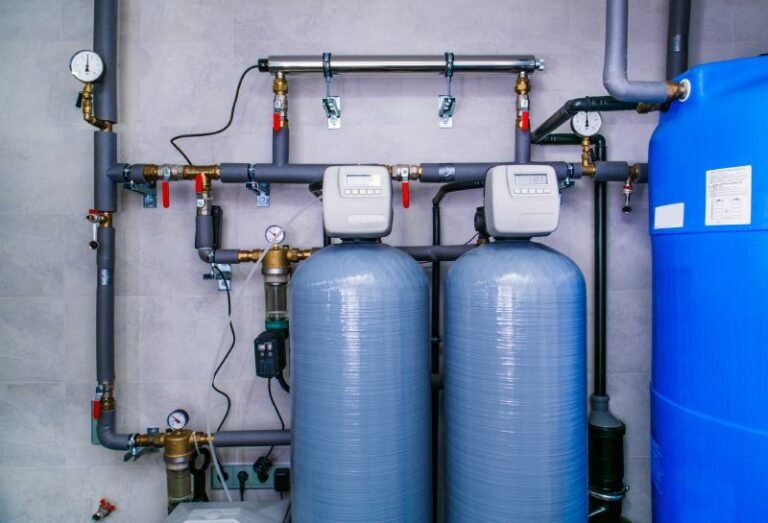
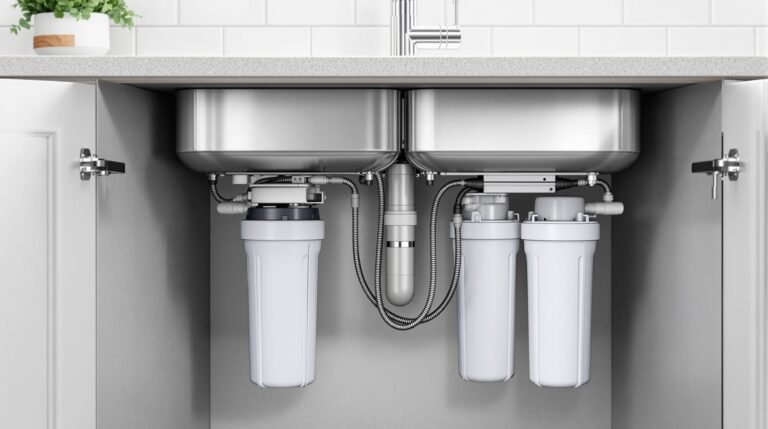
A simple sediment filter may work well for larger particles, but very fine material may need a more specific filtration setup. Some homes benefit from spin-down filters. Others need cartridge filters, multi-stage filtration, or whole-home systems designed around the actual particle size and water flow.
The best solution depends on the test results, water usage, and where the particles are entering the system. Installing a random filter without checking the water first can lead to quick clogging, weak pressure, or poor results.
Cleaner Water Feels Better Every Day
Solving sediment problems is not always dramatic, but it is noticeable. Taps run cleaner. Fixtures clog less. Appliances get better protection. Showers feel fresher. Drinking and cooking water feels easier to trust.
Water should not leave grit behind or make you question every glass. When small particles start showing up, treat them as clues. With proper testing and the right filtration approach, your home’s water can look clearer, feel cleaner, and do its job quietly again.