There’s something quietly reassuring about walking into a hospital and feeling like you’re in the right place. Not because of the fancy equipment or polished floors—but because of how people speak to you, how they listen, how they make space for your concerns without brushing them aside.
We don’t always think about surgery in these terms. It’s often reduced to outcomes, techniques, success rates. Important things, yes. But the experience itself—the human side of it—deserves just as much attention.
Because when everything comes together the right way, it doesn’t just feel efficient. It feels… right.
It Starts With the People
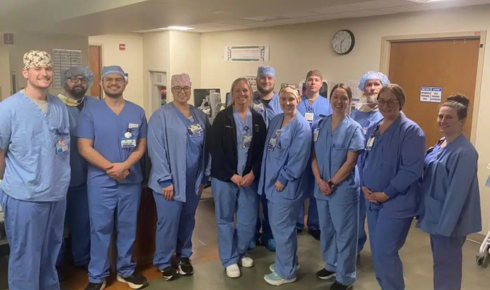
Behind every successful procedure is a group of individuals who know how to work together, often without needing to say much at all. You might meet only a few of them directly, but their coordination is what keeps everything running smoothly.
An award winning team isn’t just about recognition or certificates on a wall. It’s about consistency. It’s about people who’ve worked together long enough to understand each other’s rhythms, who can anticipate needs before they’re spoken.
You’ll notice it in small ways. A nurse handing over the exact instrument at the right moment. A quiet exchange between professionals that keeps everything on track. It doesn’t feel dramatic—it feels seamless.
And for patients, that seamlessness translates into confidence. You don’t have to see every detail to know things are being handled well.
When Care Feels Personal
There’s a difference between being treated and being understood. It’s subtle, but it changes everything.
Modern healthcare is moving toward what’s often called patient centered care, though the phrase can sound a bit clinical. In practice, it’s much simpler than that. It means you’re not just a case or a condition—you’re a person with questions, preferences, and sometimes even doubts.
Doctors who take this approach tend to listen more. They explain things in ways that actually make sense. They don’t rush you through decisions or make you feel like you’re taking up too much time.
And when that kind of care is present, the entire experience shifts. Surgery doesn’t feel like something being done to you—it feels like something you’re part of.
That sense of involvement, of being heard, is often what people remember most.
The Standard That Quietly Guides Everything
Of course, compassion alone isn’t enough. At the heart of any surgical experience is the expectation of skill, precision, and reliability.
That’s where the idea of surgical excellence comes in. It’s not about perfection—it’s about consistency. Doing things well, over and over again, with attention to detail that doesn’t fade even under pressure.
Excellence shows up in preparation. In how thoroughly a case is reviewed before the procedure even begins. It’s there in the operating room, in the careful execution of each step. And it continues afterward, in how recovery is monitored and supported.
Patients might not see all of this directly, but they feel its impact. It’s in the smoothness of the process, the clarity of communication, the overall sense that nothing has been left to chance.
The Experience Around the Procedure
If you ask someone about their surgery months later, they rarely focus only on the technical outcome. They talk about how they were treated.
The moment a doctor took extra time to explain something. The reassurance offered just before going into the operating room. Even the tone of voice used when answering a simple question.
These are the details that linger.
They don’t replace expertise, but they complement it. They make a clinical process feel more human, more approachable.
And when you’re dealing with something as significant as surgery, that human touch matters more than most people expect.
Recovery Is Part of the Story Too
There’s a tendency to think of surgery as a single event. But recovery is where much of the real experience unfolds.
Modern approaches have made this phase more manageable. Patients are given clearer expectations, better tools for managing discomfort, and more structured follow-up care.
It’s not just about healing physically—it’s about feeling supported through the process. Knowing what’s normal, what isn’t, and when to reach out if something feels off.
That clarity can turn recovery from something uncertain into something you can navigate with confidence.
Choosing Where You Feel Comfortable
If you’re facing surgery, one of the most important things you can do is pay attention to how you feel during the process—not just physically, but emotionally.
Do you feel heard? Do you understand what’s being explained? Do you trust the people involved?
These questions matter just as much as credentials or technology. Because the right environment isn’t just about capability—it’s about comfort.
And when those two things come together, the experience feels less intimidating, more manageable.
A Different Way of Looking at Surgery
What’s changing in healthcare isn’t just about new tools or techniques. It’s about perspective.
Surgery is no longer seen as a standalone event. It’s part of a broader journey—one that includes preparation, communication, recovery, and ongoing support.
And when all of those pieces align, the experience becomes something more than just a procedure.
It becomes something people can move through with confidence.
Not because it’s easy—but because it’s handled with care, intention, and a genuine understanding of what patients need.