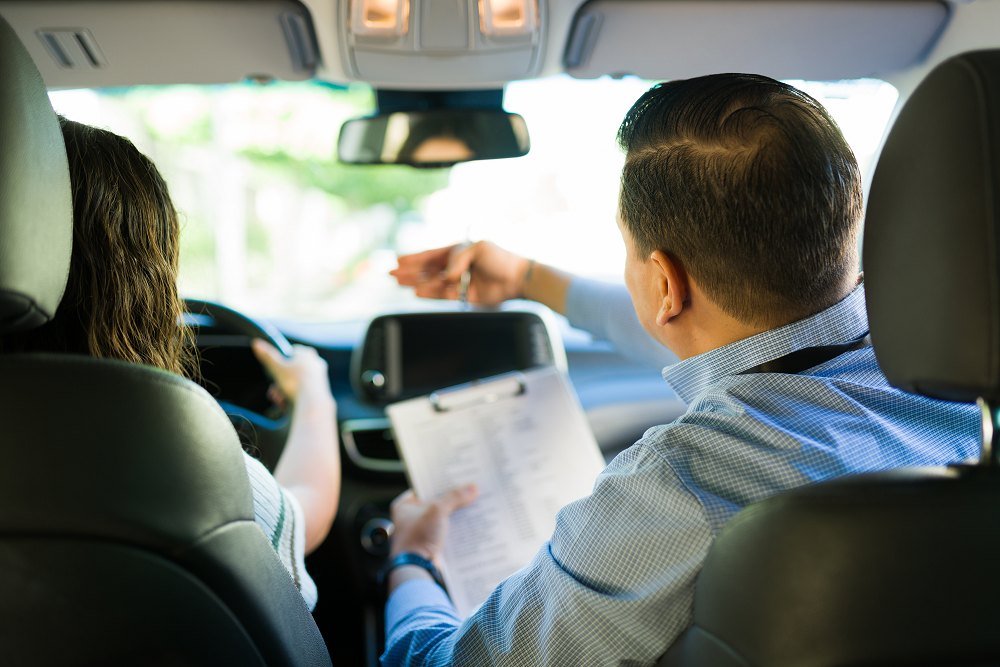
Taking the First Step Toward Driving
Getting behind the wheel for the first time is a moment most people remember. There’s excitement, of course, but there can also be plenty of nerves. Suddenly, road signs, traffic signals, other vehicles, and all those little decisions seem much more important.
For new drivers in Florida, getting a learner’s permit is an important first step toward becoming independent on the road. But the process isn’t only about passing a test. It’s about understanding the responsibilities that come with learning to drive.
A little preparation can make the experience much less stressful. Instead of trying to figure everything out at the last minute, take time to understand the requirements, study the rules, and practice with patience.
Understanding the Permit Process
Before starting the application process, it’s a good idea to learn what documents, identification, testing, and educational requirements may apply to you. Requirements can differ depending on age and individual circumstances, so checking current official information is always wise.
The florida learner’s permit allows eligible new drivers to begin gaining supervised driving experience while working toward a full driver license.
It’s important to remember that a learner permit comes with conditions. New drivers aren’t simply free to drive anywhere, anytime, without supervision. Understanding the restrictions before getting behind the wheel helps prevent unnecessary problems.
Preparing for the Permit Exam
The knowledge test can make some learners nervous, especially if they haven’t spent much time studying traffic rules.
The best way to prepare for a permit exam is to understand the material rather than simply memorize random answers. Review traffic signs, signals, right-of-way rules, safe driving practices, speed regulations, and other information included in the applicable driver handbook.
Practice questions can be useful, too. If you repeatedly get a question wrong, don’t just memorize the correct option. Stop and figure out why your answer was incorrect.
That small extra effort can make the information much easier to remember when you encounter a similar situation on the road.
Why Traffic Signs Matter
Traffic signs are more than symbols placed beside the road. They communicate important information quickly, sometimes when a driver has only a few seconds to respond.
New drivers should become familiar with warning, regulatory, and informational signs. Stop signs, yield signs, speed-limit signs, school-zone warnings, and lane-control signs all have different purposes.
Understanding these signs before practical driving begins gives learners one less thing to worry about.
Eventually, reading a familiar road sign should feel almost automatic. That’s exactly what you want.
Learning the Rules Before Driving
Practical driving becomes easier when learners already understand the basic rules.
For example, knowing how right-of-way works can make intersections less intimidating. Understanding lane markings can help a student recognize where they should position the vehicle. Learning about following distances gives them a better idea of how much space to leave between cars.
These details may seem small individually, but together they create a foundation for safer decision-making.
And yes, there will be moments when you forget something. That’s part of learning. The important thing is to keep reviewing and improving.
What Supervised Driving Teaches You
Once the permit requirements are met, supervised practice becomes extremely valuable.
A learner can read about steering and braking all day, but actually controlling a vehicle is different. You need to feel how quickly the car responds when you press the brake or turn the wheel.
Start with manageable situations. Quiet residential roads can provide an opportunity to practice basic control before moving into busier traffic.
As skills improve, learners can gradually practice turns, parking, lane changes, intersections, and other everyday situations.
The goal is steady progress, not speed.
Driving on Real Florida Roads
There’s a difference between knowing how to operate a vehicle and knowing how to handle real traffic.
Driving on a Florida learner’s permit can provide valuable experience when done according to the applicable supervision and licensing rules.
Florida roads can present many different conditions. Learners may encounter heavy traffic, highways, motorcycles, cyclists, pedestrians, construction zones, and sudden weather changes.
Rain deserves particular attention. Wet roads can affect visibility, traction, and stopping distance. A learner who has only practiced in perfect weather may feel surprised when conditions suddenly change.
Practical experience helps drivers learn how to adapt.
Developing Defensive Driving Habits
Good drivers don’t focus only on what is directly in front of them. They pay attention to what may happen next.
Look ahead for brake lights. Watch vehicles approaching intersections. Notice pedestrians near crossings. Keep an eye on cyclists and motorcycles.
Defensive driving also means leaving enough space to respond when another driver makes a mistake.
You might have the right of way, but another motorist may not notice you. Giving yourself time and room to react is often more useful than assuming everyone else will behave perfectly.
Getting Comfortable With Different Situations
As learners gain experience, practice should become more varied.
Driving at different times of day can help students understand how traffic changes. Practicing on unfamiliar roads can improve navigation and observation. Parking in different locations can make the maneuver feel less intimidating.
Eventually, learners should be able to handle situations without relying on constant instructions from the person sitting beside them.
That independence is important.
After all, the instructor or supervising driver won’t always be there to say, “Check your mirror,” or “Slow down.”
Working With a Driving Instructor
Professional instruction can be particularly helpful when a learner struggles with certain skills.
An instructor can identify habits that may otherwise go unnoticed. Maybe the student checks mirrors too late, turns too quickly, or becomes nervous when traffic gets busy.
Instead of simply pointing out the problem, a good instructor can break the skill into smaller steps and provide repeated practice.
This can also help nervous learners. Feeling comfortable enough to make mistakes and ask questions is a big part of learning.
Preparing for the Next Stage
A learner permit is only one stage in the licensing journey.
As experience grows, students can begin preparing for the practical driving test and the responsibilities of independent driving. This is where consistent practice becomes especially useful.
Don’t wait until the last few days to work on difficult skills. If parking is uncomfortable, practice it regularly. If lane changes make you nervous, work on them gradually with proper supervision.
Small improvements made over several weeks can add up to a lot of confidence.
Becoming a Responsible Driver
Getting a permit is exciting, but it also marks the beginning of a serious responsibility.
A vehicle can be useful, convenient, and enjoyable, but it can also become dangerous when operated carelessly. New drivers should develop habits such as staying focused, respecting speed limits, avoiding distractions, and remaining patient in traffic.
There’s no need to prove anything by driving aggressively.
A confident driver knows when to slow down, when to wait, and when to give another road user extra space.
Looking Ahead
Getting a learner permit is more than completing paperwork and passing a knowledge test. It’s the beginning of a process that combines education, supervised practice, and real-world experience.
Take the time to learn the rules. Practice regularly. Ask questions when something doesn’t make sense. Most importantly, don’t confuse confidence with rushing.
The strongest drivers aren’t necessarily the ones who learned fastest. They’re the ones who developed good habits and continued improving.
With preparation and patience, that first nervous drive can eventually become second nature—and the journey toward becoming a responsible Florida driver can begin on the right foot.